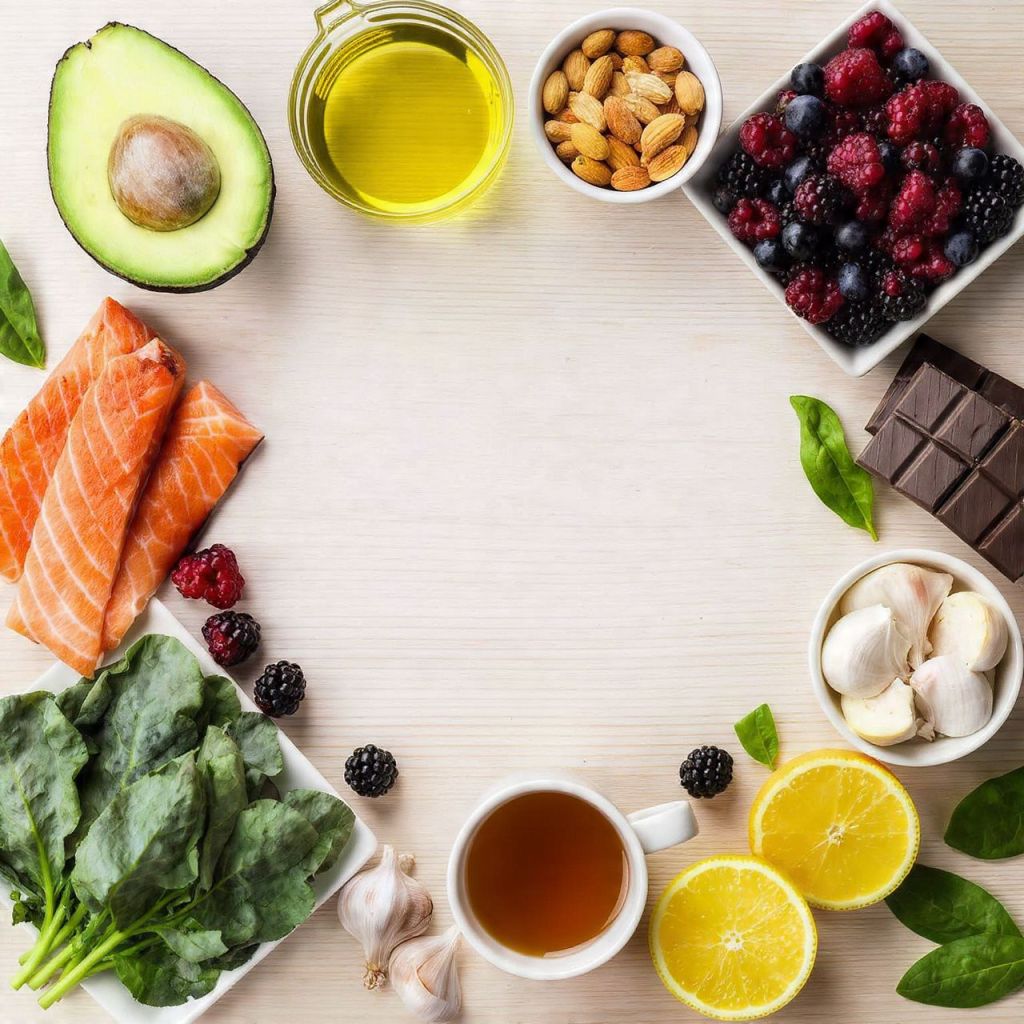
Discover the best foods that help clean your arteries and support heart health naturally. Learn how a heart-friendly diet rich in fiber, healthy fats, and antioxidants may promote healthy blood vessels, improve circulation, and reduce the risk of cardiovascular disease.
Introduction
Heart disease remains the leading cause of death in the United States, affecting millions of adults every year. One of the biggest contributors to cardiovascular disease is the gradual buildup of fatty deposits, known as plaque, inside the arteries. Over time, this buildup can reduce blood flow and increase the risk of heart attack, stroke, and other serious complications.
Many people search for ways to “clean” their arteries naturally. While no food can literally scrub plaque out of your blood vessels or instantly reverse years of damage, a healthy eating pattern can help support artery health, improve cholesterol levels, reduce inflammation, and slow the progression of plaque buildup.
When combined with regular exercise, maintaining a healthy weight, avoiding smoking, and following your healthcare provider’s recommendations, nutrition becomes one of the most powerful tools for protecting your heart.
In this guide, you’ll discover the best foods that help clean your arteries and support heart health naturally.
Understanding Arterial Plaque
Your arteries carry oxygen-rich blood from your heart to every part of your body.
Over time, cholesterol, fats, calcium, and inflammatory cells can accumulate inside artery walls, forming plaque. This condition is called atherosclerosis.
Plaque buildup may narrow arteries and reduce blood flow, increasing the risk of:
- Heart attack
- Stroke
- Peripheral artery disease
- Kidney disease
- High blood pressure
Although existing plaque cannot simply be washed away with food, healthy lifestyle habits may help stabilize plaques and reduce further progression.
Why Diet Matters
A heart-healthy diet may help:
- Lower LDL (“bad”) cholesterol
- Increase HDL (“good”) cholesterol
- Reduce inflammation
- Improve blood vessel function
- Support healthy blood pressure
- Improve circulation
- Promote a healthy body weight
Consistency over months and years often produces the greatest benefits.
1. Oats
Oats are rich in beta-glucan, a soluble fiber known to help lower LDL cholesterol.
A bowl of plain oatmeal makes an excellent heart-friendly breakfast.
Choose steel-cut or rolled oats instead of sugary instant varieties.
2. Beans and Lentils
Legumes provide soluble fiber, plant protein, magnesium, and antioxidants.
Excellent options include:
- Black beans
- Chickpeas
- Lentils
- Kidney beans
- Pinto beans
Replacing some red meat meals with beans may benefit heart health.
3. Fatty Fish
Salmon, sardines, trout, herring, and mackerel provide omega-3 fatty acids that support cardiovascular wellness.
Aim for two servings per week whenever possible.
Bake or grill instead of frying.
4. Olive Oil
Extra virgin olive oil is rich in monounsaturated fats and antioxidant compounds.
It serves as a healthier alternative to butter and heavily processed oils.
Use it in:
- Salads
- Roasted vegetables
- Marinades
- Whole-grain dishes
5. Avocados
Avocados provide healthy fats, fiber, potassium, and antioxidants.
Their nutrient profile supports heart-friendly eating patterns while promoting fullness.
6. Walnuts
Walnuts contain plant-based omega-3 fatty acids and antioxidants that contribute to cardiovascular health.
A small handful makes an excellent snack.
7. Almonds
Almonds provide vitamin E, healthy fats, magnesium, and protein.
Regular moderate consumption may support healthy cholesterol levels.
8. Leafy Green Vegetables
Spinach, kale, Swiss chard, and collard greens are rich in nitrates, potassium, magnesium, and antioxidants.
These nutrients support healthy blood vessel function.
9. Beets
Beets naturally contain nitrates that the body converts into nitric oxide.
Nitric oxide helps blood vessels relax and supports healthy circulation.
10. Berries
Blueberries, strawberries, raspberries, and blackberries contain flavonoids and antioxidants that help protect blood vessels from oxidative stress.
Fresh or frozen berries both offer nutritional benefits.
11. Tomatoes
Tomatoes provide lycopene, an antioxidant associated with cardiovascular health.
Cooked tomato products may enhance lycopene absorption.
12. Garlic
Garlic contains sulfur compounds that researchers continue to study for their potential effects on blood vessel function and heart health.
Fresh garlic can add flavor while reducing reliance on excess salt.
13. Citrus Fruits
Oranges, grapefruit, lemons, and other citrus fruits provide vitamin C, potassium, and fiber.
Whole fruits generally offer greater nutritional value than fruit juices.
14. Chia Seeds
Chia seeds are packed with:
- Fiber
- Omega-3 fats
- Protein
- Magnesium
They can be added to oatmeal, smoothies, yogurt, or homemade baked goods.
15. Flaxseeds
Ground flaxseeds supply healthy fats and fiber that complement a heart-healthy eating plan.
Freshly ground seeds are generally better absorbed than whole seeds.
16. Broccoli
Broccoli provides fiber, vitamin C, vitamin K, and beneficial plant compounds that support overall health.
Steam or roast lightly for best results.
17. Apples
Apples contain soluble fiber called pectin, which may help lower cholesterol levels.
Enjoy whole apples with the skin intact whenever possible.
18. Green Tea
Green tea contains polyphenols that researchers continue to investigate for cardiovascular benefits.
Choose unsweetened versions to avoid excess added sugar.
Foods That May Contribute to Poor Artery Health
Although occasional indulgences are part of a balanced lifestyle, limiting certain foods may benefit cardiovascular health.
These include:
- Sugary beverages
- Deep-fried foods
- Processed meats
- Excess sweets
- Highly processed snacks
- Foods high in trans fats
- Excess sodium
- Refined carbohydrates
Focus on replacing these foods rather than striving for perfection.
Increase Fiber Intake
Dietary fiber supports healthy cholesterol levels and digestive health.
Good sources include:
- Oats
- Beans
- Fruits
- Vegetables
- Whole grains
- Seeds
Gradually increasing fiber while drinking adequate water helps improve tolerance.
Stay Physically Active
Exercise supports:
- Healthy circulation
- Weight management
- Blood pressure control
- Cholesterol management
- Heart strength
Aim for regular activity such as walking, cycling, swimming, or strength training.
Avoid Smoking
Smoking damages blood vessels and accelerates plaque formation.
Quitting smoking remains one of the most important steps for protecting cardiovascular health.
Maintain Healthy Blood Pressure and Blood Sugar
Hypertension and diabetes both contribute to artery damage.
Working with your healthcare provider to manage these conditions supports long-term heart health.
Sample Heart-Healthy Meal Plan
Breakfast
Steel-cut oatmeal topped with blueberries, walnuts, and chia seeds.
Snack
Apple slices with almond butter.
Lunch
Grilled salmon served with spinach salad, avocado, tomatoes, cucumbers, and olive oil dressing.
Snack
Plain Greek yogurt with strawberries.
Dinner
Roasted chicken breast with broccoli, quinoa, and steamed carrots.
Evening Beverage
Unsweetened green tea.
Frequently Asked Questions
Can foods actually clean clogged arteries?
No. Foods cannot physically remove plaque from arteries. However, healthy eating may help improve cholesterol levels, reduce inflammation, and slow the progression of atherosclerosis.
Is olive oil good for heart health?
Extra virgin olive oil is a source of healthy monounsaturated fats and is commonly included in heart-healthy dietary patterns such as the Mediterranean diet.
Can diet reduce the risk of heart disease?
Yes. Healthy eating, combined with exercise, maintaining a healthy weight, avoiding tobacco, and following medical advice, may significantly reduce cardiovascular risk.
Final Thoughts
Choosing foods that help clean your arteries and support heart health naturally is really about protecting your blood vessels over the long term. Whole foods rich in fiber, healthy fats, antioxidants, vitamins, and minerals work together to support healthy cholesterol levels, improve circulation, and promote overall cardiovascular wellness.
When combined with an active lifestyle, stress management, quality sleep, and appropriate medical care, these daily nutrition choices can help you build a stronger foundation for lifelong heart health.
About Wordplant Living System
At Wordplant Living System, we believe lasting wellness begins with informed daily decisions. Through evidence-informed education on nutrition, natural living, and healthy lifestyle strategies, we empower individuals to make choices that support long-term heart health while complementing professional medical care.
- Foods That Help Clean Your Arteries and Support Heart Health|Wordplant Living SystemDiscover the best foods that help clean your arteries and support heart health naturally. Learn how a heart-friendly diet rich in fiber, healthy fats, and antioxidants may promote healthy blood vessels, improve circulation, and reduce the risk of cardiovascular disease. Introduction Heart disease remains the leading cause of death in the United States, affecting millions… Read more: Foods That Help Clean Your Arteries and Support Heart Health|Wordplant Living System
- Foods That Help Reduce Arthritis Pain Naturally|Wordplant Living SystemDiscover the top foods that help reduce arthritis pain naturally. Learn how anti-inflammatory nutrition may support joint health, reduce stiffness, and improve mobility with simple dietary changes. Introduction Arthritis affects millions of Americans every year, making it one of the leading causes of pain, stiffness, and reduced mobility. Whether you have osteoarthritis, rheumatoid arthritis, or… Read more: Foods That Help Reduce Arthritis Pain Naturally|Wordplant Living System
- Foods That Help Lower Blood Pressure Naturally|Wordplant Living SystemDiscover the best foods that help lower blood pressure naturally. Learn how heart-healthy nutrition, potassium-rich foods, and smart lifestyle choices may support healthy blood pressure and overall cardiovascular wellness. Introduction High blood pressure, also known as hypertension, is often called the “silent killer” because it can develop without obvious symptoms while quietly increasing the risk… Read more: Foods That Help Lower Blood Pressure Naturally|Wordplant Living System
- Foods That Help Lower Blood Sugar Naturally|Wordplant Living SystemDiscover the best foods that help lower blood sugar naturally. Learn how a balanced diet rich in fiber, lean protein, and healthy fats may support healthy glucose levels, improve insulin sensitivity, and promote long-term wellness. Introduction Maintaining healthy blood sugar levels is one of the most important steps you can take to protect your long-term… Read more: Foods That Help Lower Blood Sugar Naturally|Wordplant Living System
- Chapter 1: What Are Chronic Degenerative Diseases?| Wordplant Living System on The Chronic Disease Reversal Bible by Alfred OkokoUnderstanding the Silent Process Destroying Your Health—and How to Stop It Most people believe disease is something that happens suddenly. A heart attack.A diabetes diagnosis.A spike in blood pressure. It feels abrupt. Unexpected. Even unfair. But the truth is far less dramatic—and far more empowering: > Chronic disease is not an event. It is a… Read more: Chapter 1: What Are Chronic Degenerative Diseases?| Wordplant Living System on The Chronic Disease Reversal Bible by Alfred Okoko
 Wordplant Living System