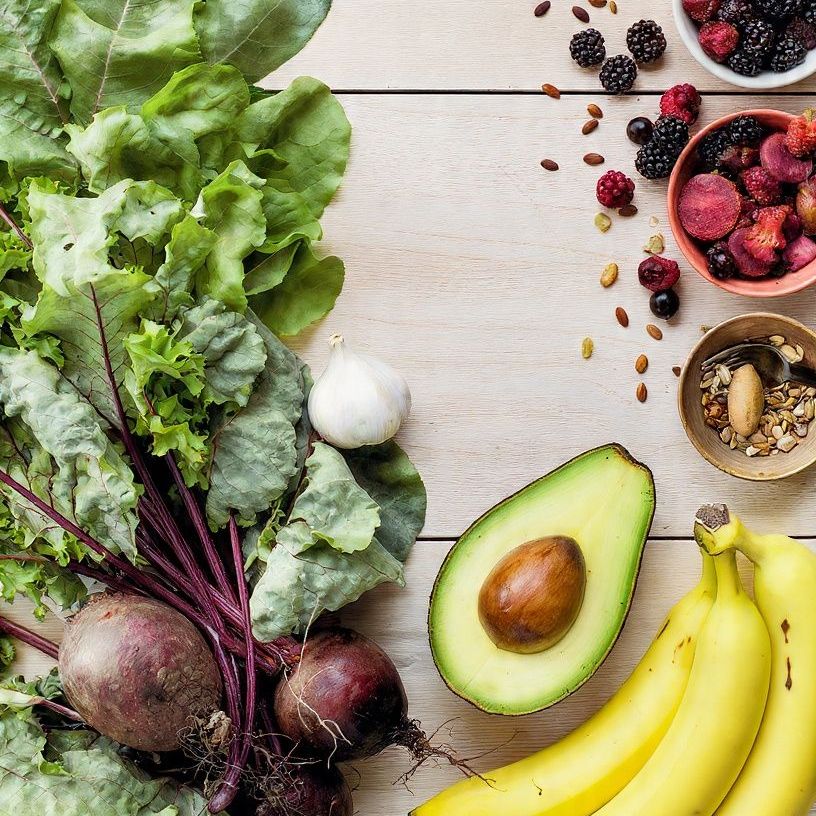
Discover the best foods that help lower blood pressure naturally. Learn how heart-healthy nutrition, potassium-rich foods, and smart lifestyle choices may support healthy blood pressure and overall cardiovascular wellness.
Introduction
High blood pressure, also known as hypertension, is often called the “silent killer” because it can develop without obvious symptoms while quietly increasing the risk of heart disease, stroke, kidney disease, and other serious health problems.
According to health experts, millions of Americans have high blood pressure, and many don’t realize it until complications arise. The good news is that healthy lifestyle choices—including nutrition—can play a major role in supporting normal blood pressure levels.
Although food alone cannot cure hypertension or replace prescribed medication, choosing a heart-healthy eating pattern may help improve blood pressure control and reduce long-term health risks.
In this comprehensive guide, you’ll discover the best foods that help lower blood pressure naturally and practical ways to include them in your daily routine.
Understanding Blood Pressure
Blood pressure measures the force of blood pushing against the walls of your arteries as your heart pumps.
Consistently elevated blood pressure may damage blood vessels and increase the risk of:
- Heart attack
- Stroke
- Heart failure
- Kidney disease
- Vision problems
- Cognitive decline
Several factors influence blood pressure, including genetics, age, weight, physical activity, stress, sodium intake, and overall diet.
Why Nutrition Matters
A balanced eating plan rich in fruits, vegetables, lean proteins, whole grains, and healthy fats provides nutrients that support cardiovascular health.
Proper nutrition may help:
- Support healthy blood vessel function
- Improve circulation
- Reduce inflammation
- Promote a healthy body weight
- Lower excessive sodium intake
- Increase potassium consumption
- Support overall heart health
Small dietary improvements made consistently over time can have meaningful long-term benefits.
1. Bananas
Bananas are among the best-known sources of potassium, an important mineral that helps balance sodium levels and supports normal blood pressure regulation.
A medium banana makes an easy snack or breakfast addition.
2. Leafy Green Vegetables
Spinach, kale, collard greens, Swiss chard, and other leafy vegetables provide potassium, magnesium, and antioxidants.
Adding greens to salads, smoothies, soups, or omelets can increase nutrient intake without adding excess calories.
3. Beets
Beets contain naturally occurring nitrates that the body converts into nitric oxide.
Nitric oxide helps blood vessels relax, supporting healthy circulation.
Enjoy roasted beets, beet salads, or fresh beet juice in moderation.
4. Oats
Oats provide soluble fiber that supports healthy cholesterol levels and cardiovascular wellness.
Choose plain rolled or steel-cut oats rather than sugary instant varieties.
5. Berries
Blueberries, strawberries, raspberries, and blackberries contain antioxidants known as flavonoids that may support vascular health.
Fresh or frozen berries make nutritious additions to breakfast or snacks.
6. Fatty Fish
Salmon, sardines, trout, and mackerel supply omega-3 fatty acids associated with heart health.
Aim for two servings each week whenever possible.
Bake or grill instead of frying.
7. Beans and Lentils
Beans provide:
- Fiber
- Plant protein
- Magnesium
- Potassium
Excellent choices include:
- Black beans
- Lentils
- Kidney beans
- Chickpeas
- Pinto beans
Their fiber content may also support healthy cholesterol levels.
8. Avocados
Avocados contain heart-healthy monounsaturated fats along with potassium and fiber.
Slice avocado onto whole-grain toast or add it to salads.
9. Garlic
Garlic has been studied for compounds that may support cardiovascular health and healthy blood vessel function.
Fresh garlic adds flavor while reducing the need for excess salt.
10. Yogurt
Plain low-fat or Greek yogurt provides calcium and protein while fitting into many heart-healthy eating plans.
Choose varieties with little or no added sugar.
11. Tomatoes
Tomatoes contain lycopene and potassium, making them a nutritious choice for cardiovascular health.
Fresh tomatoes, tomato sauces without added sugar, and roasted tomatoes all fit into balanced meals.
12. Citrus Fruits
Oranges, grapefruit, lemons, and other citrus fruits provide vitamin C and potassium while contributing to overall hydration.
Whole fruit offers more fiber than juice.
13. Nuts and Seeds
Almonds, walnuts, flaxseeds, pumpkin seeds, and chia seeds provide healthy fats, magnesium, and plant nutrients.
Enjoy moderate portions as snacks or meal toppings.
14. Sweet Potatoes
Sweet potatoes are rich in potassium, fiber, and antioxidants.
Bake or roast them instead of frying.
15. Olive Oil
Extra virgin olive oil is a staple of the Mediterranean diet and provides healthy monounsaturated fats that support cardiovascular wellness.
Use it as your primary cooking oil whenever appropriate.
Reduce Sodium Intake
One of the most effective dietary strategies for managing blood pressure is reducing excessive sodium consumption.
Major sources of sodium include:
- Processed meats
- Fast food
- Canned soups
- Salty snacks
- Frozen meals
- Restaurant foods
- Packaged convenience foods
Reading nutrition labels can help you make informed choices.
Increase Potassium-Rich Foods
Potassium helps balance sodium and supports healthy blood pressure regulation.
Excellent potassium-rich foods include:
- Bananas
- Spinach
- Sweet potatoes
- Beans
- Yogurt
- Avocados
- Tomatoes
Individuals with kidney disease should consult their healthcare provider before significantly increasing potassium intake.
Follow the DASH Eating Pattern
The Dietary Approaches to Stop Hypertension (DASH) eating pattern emphasizes:
- Fruits
- Vegetables
- Whole grains
- Lean proteins
- Low-fat dairy
- Nuts
- Seeds
- Legumes
while limiting added sugars, saturated fats, and excess sodium.
Many experts consider it one of the most effective dietary approaches for supporting healthy blood pressure.
Maintain a Healthy Weight
Even modest weight loss may positively influence blood pressure in people who are overweight.
Combining healthy eating with consistent physical activity supports long-term success.
Stay Physically Active
Exercise strengthens the cardiovascular system and improves circulation.
Examples include:
- Brisk walking
- Swimming
- Cycling
- Strength training
- Dancing
- Gardening
Aim for regular movement throughout the week.
Limit Alcohol and Avoid Smoking
Excessive alcohol consumption and tobacco use increase cardiovascular risk.
Reducing alcohol intake and avoiding smoking can significantly benefit heart health.
Manage Stress
Chronic stress may contribute to elevated blood pressure in some individuals.
Helpful stress-management techniques include:
- Meditation
- Deep breathing
- Walking outdoors
- Prayer or mindfulness practices
- Spending time with loved ones
- Adequate sleep
Sample Heart-Healthy Meal Plan
Breakfast
Oatmeal topped with blueberries, walnuts, and sliced banana.
Snack
Plain Greek yogurt with strawberries.
Lunch
Grilled salmon served with spinach salad, tomatoes, avocado, and olive oil dressing.
Snack
Carrot sticks with hummus.
Dinner
Roasted chicken breast with sweet potato and steamed broccoli.
Evening Beverage
Herbal tea or water.
Frequently Asked Questions
Can diet alone control high blood pressure?
For some people, healthy lifestyle changes significantly improve blood pressure. Others may still require medication as recommended by their healthcare provider.
Should I eliminate salt completely?
Most people benefit from reducing excessive sodium rather than eliminating it entirely. Follow your healthcare provider’s recommendations based on your individual health needs.
Is coffee bad for blood pressure?
Caffeine affects individuals differently. If you have hypertension, discuss your caffeine intake with your healthcare provider and monitor your personal response.
Final Thoughts
Choosing foods that help lower blood pressure naturally is one of the most effective investments you can make in your long-term health. A diet rich in vegetables, fruits, whole grains, lean proteins, legumes, healthy fats, and potassium-rich foods supports not only healthy blood pressure but also overall cardiovascular wellness.
Combined with regular exercise, stress management, adequate sleep, weight management, and appropriate medical care, healthy nutrition forms the foundation of lifelong heart health.
About Wordplant Living System
At Wordplant Living System, we believe that sustainable wellness begins with informed daily choices. Through practical education on nutrition, natural living, and healthy lifestyle habits, we empower individuals to take positive steps toward better health while complementing the guidance of qualified healthcare professionals.
- Foods That Help Reduce Arthritis Pain Naturally|Wordplant Living SystemDiscover the top foods that help reduce arthritis pain naturally. Learn how anti-inflammatory nutrition may support joint health, reduce stiffness, and improve mobility with simple dietary changes. Introduction Arthritis affects millions of Americans every year, making it one of the leading causes of pain, stiffness, and reduced mobility. Whether you have osteoarthritis, rheumatoid arthritis, or… Read more: Foods That Help Reduce Arthritis Pain Naturally|Wordplant Living System
- Foods That Help Lower Blood Pressure Naturally|Wordplant Living SystemDiscover the best foods that help lower blood pressure naturally. Learn how heart-healthy nutrition, potassium-rich foods, and smart lifestyle choices may support healthy blood pressure and overall cardiovascular wellness. Introduction High blood pressure, also known as hypertension, is often called the “silent killer” because it can develop without obvious symptoms while quietly increasing the risk… Read more: Foods That Help Lower Blood Pressure Naturally|Wordplant Living System
- Foods That Help Lower Blood Sugar Naturally|Wordplant Living SystemDiscover the best foods that help lower blood sugar naturally. Learn how a balanced diet rich in fiber, lean protein, and healthy fats may support healthy glucose levels, improve insulin sensitivity, and promote long-term wellness. Introduction Maintaining healthy blood sugar levels is one of the most important steps you can take to protect your long-term… Read more: Foods That Help Lower Blood Sugar Naturally|Wordplant Living System
- Chapter 1: What Are Chronic Degenerative Diseases?| Wordplant Living System on The Chronic Disease Reversal Bible by Alfred OkokoUnderstanding the Silent Process Destroying Your Health—and How to Stop It Most people believe disease is something that happens suddenly. A heart attack.A diabetes diagnosis.A spike in blood pressure. It feels abrupt. Unexpected. Even unfair. But the truth is far less dramatic—and far more empowering: > Chronic disease is not an event. It is a… Read more: Chapter 1: What Are Chronic Degenerative Diseases?| Wordplant Living System on The Chronic Disease Reversal Bible by Alfred Okoko
- The 7-Day Natural Wheezing Relief Reset: A Healing Gap Framework for Easier Breathing in Cold Season|Wordplant Living SystemWheezing during cold weather is a common respiratory challenge caused by airway inflammation, mucus buildup, sensitivity to cold air, or underlying respiratory conditions. It can lead to tight chest sensations, coughing, shortness of breath, and disrupted sleep. The 7-Day Natural Wheezing Relief Reset, part of The Healing Gap Framework by Wordplant Living System, is a… Read more: The 7-Day Natural Wheezing Relief Reset: A Healing Gap Framework for Easier Breathing in Cold Season|Wordplant Living System
 Wordplant Living System