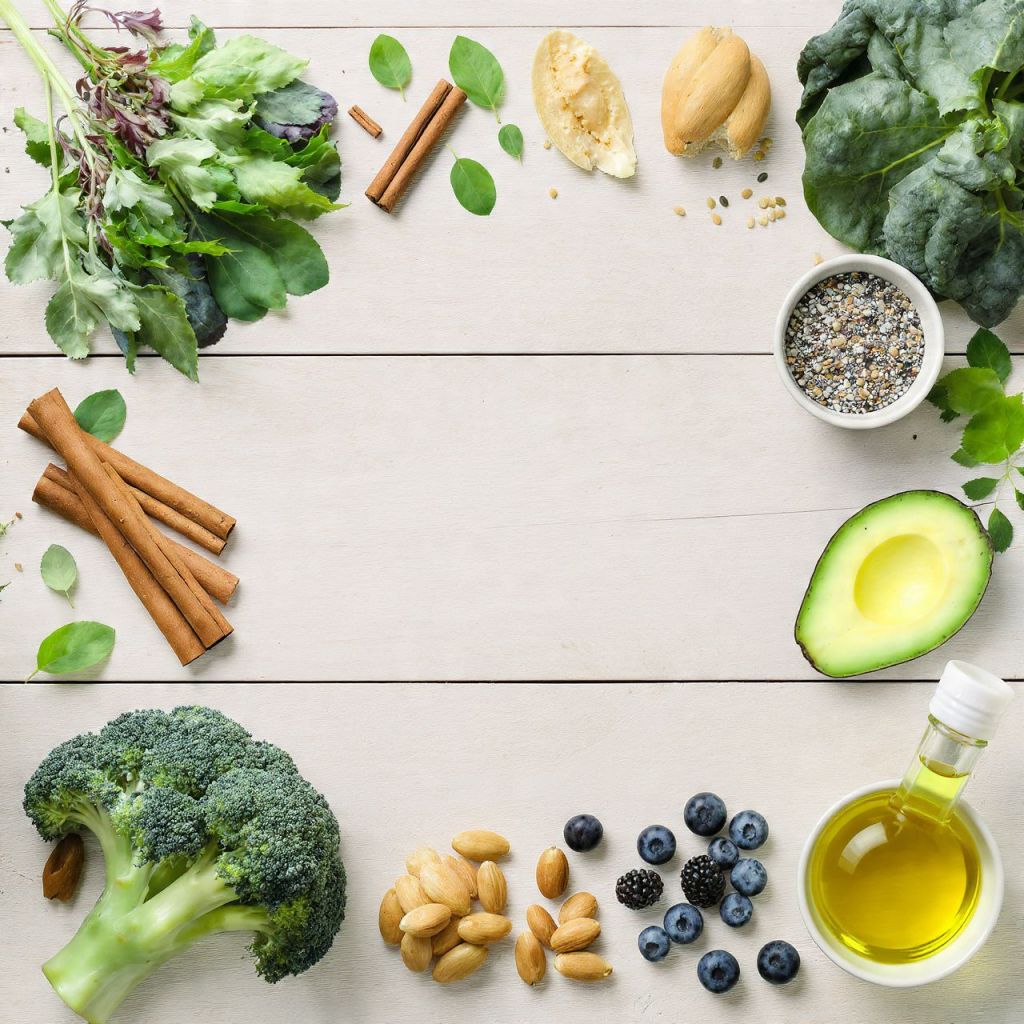
Discover the best foods that help lower blood sugar naturally. Learn how a balanced diet rich in fiber, lean protein, and healthy fats may support healthy glucose levels, improve insulin sensitivity, and promote long-term wellness.
Introduction
Maintaining healthy blood sugar levels is one of the most important steps you can take to protect your long-term health. Whether you’re living with type 2 diabetes, prediabetes, or simply want to reduce your risk of metabolic disease, your daily food choices can have a significant impact.
While no single food can cure diabetes or instantly lower blood sugar, a balanced eating pattern built around whole, nutrient-dense foods may help improve glucose control, support insulin sensitivity, and reduce the risk of complications. Combined with regular physical activity, quality sleep, stress management, and appropriate medical care, healthy nutrition becomes a powerful tool for lifelong wellness.
In this guide, we’ll explore the best foods that help lower blood sugar naturally and practical ways to include them in your everyday meals.
Understanding Blood Sugar
Blood sugar, also called blood glucose, is the body’s primary source of energy. After eating carbohydrates, the digestive system breaks them down into glucose, which enters the bloodstream.
The hormone insulin helps move glucose from the blood into cells where it can be used for energy.
When insulin doesn’t work effectively or isn’t produced in sufficient amounts, blood sugar levels can remain elevated. Over time, uncontrolled high blood sugar may increase the risk of:
- Heart disease
- Kidney disease
- Vision problems
- Nerve damage
- Stroke
- Poor wound healing
That’s why nutrition plays such an important role in diabetes prevention and management.
Why Diet Matters
Foods affect blood sugar differently depending on their fiber content, protein, fat composition, and processing.
A blood sugar-friendly diet may help:
- Reduce glucose spikes after meals
- Improve insulin sensitivity
- Support healthy body weight
- Lower inflammation
- Improve energy levels
- Promote better heart health
Consistency is often more important than perfection.
1. Leafy Green Vegetables
Spinach, kale, collard greens, and Swiss chard are low in carbohydrates while providing vitamins, minerals, antioxidants, and fiber.
These nutrient-dense vegetables make excellent additions to meals without causing large blood sugar increases.
2. Broccoli
Broccoli is high in fiber and contains beneficial plant compounds that researchers continue to study for metabolic health.
Enjoy broccoli:
- Steamed
- Roasted
- Stir-fried
- Added to soups
3. Beans and Lentils
Legumes digest slowly due to their high fiber and protein content.
Excellent options include:
- Black beans
- Chickpeas
- Kidney beans
- Lentils
- Pinto beans
Their gradual digestion may help reduce rapid blood sugar fluctuations.
4. Oats
Plain rolled or steel-cut oats provide soluble fiber, especially beta-glucan, which supports heart health and may help improve blood sugar control.
Avoid instant flavored varieties loaded with added sugars.
5. Chia Seeds
Chia seeds absorb water and form a gel-like consistency that slows digestion.
They provide:
- Fiber
- Omega-3 fats
- Protein
- Magnesium
Sprinkle them into yogurt, smoothies, or oatmeal.
6. Flaxseeds
Ground flaxseeds contain fiber and healthy fats that support overall metabolic health.
Freshly ground flaxseed is generally easier to digest than whole seeds.
7. Berries
Blueberries, strawberries, raspberries, and blackberries provide antioxidants while containing relatively less sugar than many other fruits.
Their fiber helps slow glucose absorption.
8. Apples
Apples provide soluble fiber and beneficial plant compounds.
Eating the whole fruit with the skin intact provides more fiber than drinking apple juice.
9. Nuts
Almonds, walnuts, pistachios, and pecans contain healthy fats, protein, and magnesium.
A small handful can make a satisfying snack that promotes fullness.
10. Avocados
Avocados are naturally low in sugar while providing:
- Healthy monounsaturated fats
- Fiber
- Potassium
- Vitamins
They pair well with salads, eggs, and whole-grain toast.
11. Greek Yogurt
Plain Greek yogurt contains protein that may slow digestion and reduce blood sugar spikes when eaten as part of balanced meals.
Choose unsweetened varieties whenever possible.
12. Fatty Fish
Salmon, sardines, trout, and mackerel provide omega-3 fatty acids that support heart health, an important consideration for people with diabetes.
Bake, grill, or steam instead of frying.
13. Eggs
Eggs provide high-quality protein and can help increase satiety.
When consumed as part of an overall balanced diet, they make a nutritious breakfast option.
14. Cinnamon
Some studies suggest cinnamon may support glucose metabolism in certain individuals, although research findings remain mixed.
It can add flavor to:
- Oatmeal
- Coffee
- Smoothies
- Yogurt
without adding sugar.
15. Vinegar
Consuming vinegar as part of meals may help slow carbohydrate digestion for some people.
Use vinegar in homemade salad dressings or marinades rather than consuming it undiluted.
Foods to Limit
Reducing highly processed foods may help improve blood sugar management.
Consider limiting:
- Sugary sodas
- Candy
- Cakes and pastries
- Sweetened breakfast cereals
- White bread
- Excess white rice
- Processed snack foods
- Sugary coffee drinks
Focus on balance rather than complete restriction.
Build Balanced Meals
A practical meal often includes:
- Lean protein
- High-fiber vegetables
- Healthy fats
- Controlled portions of whole-grain carbohydrates
This combination slows digestion and supports more stable glucose levels.
Stay Active
Physical activity helps muscles use glucose more effectively.
Beneficial activities include:
- Walking
- Strength training
- Cycling
- Swimming
- Gardening
Even a short walk after meals may support healthy blood sugar control.
Hydration Matters
Water is the best beverage for most people.
Replacing sugary drinks with water may reduce unnecessary calorie and sugar intake.
Sample Blood Sugar-Friendly Meal Plan
Breakfast
Steel-cut oatmeal topped with blueberries, chia seeds, and walnuts.
Snack
Plain Greek yogurt with cinnamon.
Lunch
Grilled chicken breast with spinach salad, avocado, cucumbers, tomatoes, and olive oil dressing.
Snack
Apple slices with almond butter.
Dinner
Baked salmon with broccoli and quinoa.
Evening Snack
Small handful of unsalted mixed nuts.
Frequently Asked Questions
Can food reverse diabetes?
Some individuals with type 2 diabetes may achieve remission through significant lifestyle changes, weight management, and medical supervision. However, this is different from a guaranteed cure, and ongoing monitoring remains important.
Should I avoid all carbohydrates?
No. Carbohydrates provide important energy. Choosing high-fiber, minimally processed carbohydrates in appropriate portions is often more beneficial than eliminating them completely.
Is fruit bad for diabetes?
Whole fruits can fit into a healthy eating plan. Fiber-rich fruits eaten in reasonable portions are generally preferable to fruit juices or sweetened beverages.
Final Thoughts
Choosing foods that help lower blood sugar naturally is about building sustainable habits rather than following restrictive diets. Whole vegetables, lean proteins, legumes, healthy fats, whole grains, nuts, seeds, and low-sugar fruits can work together to support healthier glucose levels and improve overall well-being.
When paired with regular exercise, quality sleep, stress management, and professional medical guidance, these nutrition strategies can help you take meaningful steps toward better metabolic health.
About Wordplant Living System
At Wordplant Living System, we are committed to empowering people through practical wellness education rooted in balanced nutrition and healthy lifestyle choices. Our educational resources encourage informed decision-making while complementing the advice and care of qualified healthcare professionals.
- Foods That Help Reduce Arthritis Pain Naturally|Wordplant Living SystemDiscover the top foods that help reduce arthritis pain naturally. Learn how anti-inflammatory nutrition may support joint health, reduce stiffness, and improve mobility with simple dietary changes. Introduction Arthritis affects millions of Americans every year, making it one of the leading causes of pain, stiffness, and reduced mobility. Whether you have osteoarthritis, rheumatoid arthritis, or… Read more: Foods That Help Reduce Arthritis Pain Naturally|Wordplant Living System
- Foods That Help Lower Blood Pressure Naturally|Wordplant Living SystemDiscover the best foods that help lower blood pressure naturally. Learn how heart-healthy nutrition, potassium-rich foods, and smart lifestyle choices may support healthy blood pressure and overall cardiovascular wellness. Introduction High blood pressure, also known as hypertension, is often called the “silent killer” because it can develop without obvious symptoms while quietly increasing the risk… Read more: Foods That Help Lower Blood Pressure Naturally|Wordplant Living System
- Foods That Help Lower Blood Sugar Naturally|Wordplant Living SystemDiscover the best foods that help lower blood sugar naturally. Learn how a balanced diet rich in fiber, lean protein, and healthy fats may support healthy glucose levels, improve insulin sensitivity, and promote long-term wellness. Introduction Maintaining healthy blood sugar levels is one of the most important steps you can take to protect your long-term… Read more: Foods That Help Lower Blood Sugar Naturally|Wordplant Living System
- Chapter 1: What Are Chronic Degenerative Diseases?| Wordplant Living System on The Chronic Disease Reversal Bible by Alfred OkokoUnderstanding the Silent Process Destroying Your Health—and How to Stop It Most people believe disease is something that happens suddenly. A heart attack.A diabetes diagnosis.A spike in blood pressure. It feels abrupt. Unexpected. Even unfair. But the truth is far less dramatic—and far more empowering: > Chronic disease is not an event. It is a… Read more: Chapter 1: What Are Chronic Degenerative Diseases?| Wordplant Living System on The Chronic Disease Reversal Bible by Alfred Okoko
- The 7-Day Natural Wheezing Relief Reset: A Healing Gap Framework for Easier Breathing in Cold Season|Wordplant Living SystemWheezing during cold weather is a common respiratory challenge caused by airway inflammation, mucus buildup, sensitivity to cold air, or underlying respiratory conditions. It can lead to tight chest sensations, coughing, shortness of breath, and disrupted sleep. The 7-Day Natural Wheezing Relief Reset, part of The Healing Gap Framework by Wordplant Living System, is a… Read more: The 7-Day Natural Wheezing Relief Reset: A Healing Gap Framework for Easier Breathing in Cold Season|Wordplant Living System
 Wordplant Living System