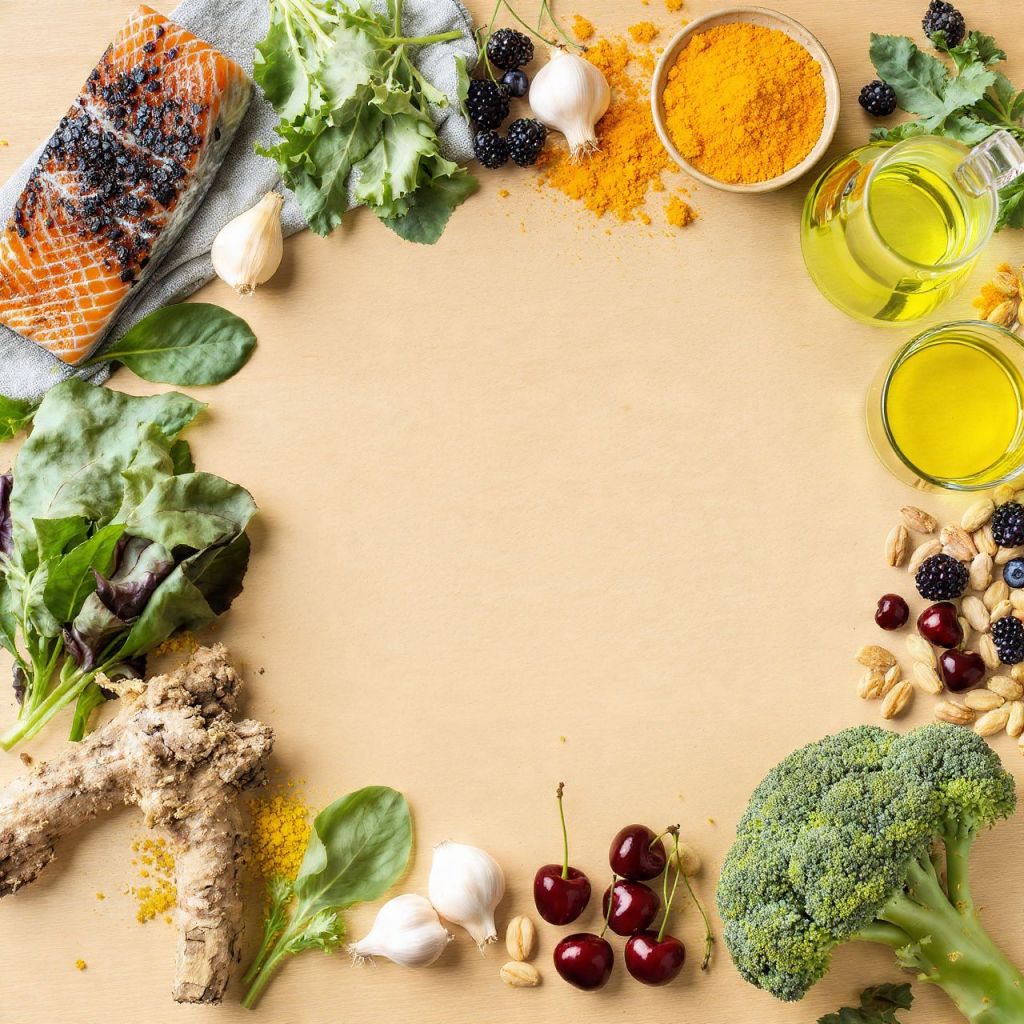
Discover the top foods that help reduce arthritis pain naturally. Learn how anti-inflammatory nutrition may support joint health, reduce stiffness, and improve mobility with simple dietary changes.
Introduction
Arthritis affects millions of Americans every year, making it one of the leading causes of pain, stiffness, and reduced mobility. Whether you have osteoarthritis, rheumatoid arthritis, or another form of joint disease, your daily food choices may play an important role in supporting your overall joint health.
While no single food can cure arthritis, research suggests that a balanced diet rich in anti-inflammatory nutrients may help reduce pain, improve flexibility, and support healthy joints. By consistently choosing nutrient-dense foods and limiting highly processed options, many people report feeling better and moving more comfortably.
In this guide, you’ll discover the best foods that help reduce arthritis pain naturally and practical ways to include them in your everyday meals.
Understanding Arthritis and Inflammation
Arthritis is not a single disease but a group of conditions affecting the joints. The two most common forms include:
- Osteoarthritis, which develops as joint cartilage gradually wears down.
- Rheumatoid arthritis, an autoimmune condition where the body’s immune system attacks healthy joint tissue.
Although these conditions differ, inflammation plays a significant role in joint pain and stiffness. Chronic inflammation can damage tissues over time, making nutrition an important part of a comprehensive wellness plan.
Why Diet Matters for Joint Health
Food provides the vitamins, minerals, antioxidants, and healthy fats your body needs to maintain tissues and regulate inflammatory processes.
An anti-inflammatory eating pattern may help:
- Reduce joint swelling
- Improve mobility
- Support cartilage health
- Promote healthy body weight
- Lower stress on weight-bearing joints
- Improve overall energy levels
Combined with regular physical activity, quality sleep, and medical care when needed, nutrition can become a valuable tool in managing arthritis symptoms.
1. Fatty Fish Rich in Omega-3 Fatty Acids
Fatty fish are among the best foods for people with arthritis because they contain omega-3 fatty acids, which have well-known anti-inflammatory properties.
Excellent choices include:
- Salmon
- Sardines
- Mackerel
- Herring
- Trout
Aim for two servings each week whenever possible.
2. Extra Virgin Olive Oil
Olive oil contains beneficial compounds that may help support healthy inflammatory responses.
Replace butter or highly processed cooking oils with extra virgin olive oil when preparing vegetables, salads, or grilled foods.
3. Colorful Berries
Blueberries, strawberries, raspberries, and blackberries are packed with antioxidants that help protect cells from oxidative stress.
Their natural plant compounds may support healthy joints while providing fiber and vitamins.
Try adding berries to:
- Oatmeal
- Yogurt
- Smoothies
- Fresh fruit bowls
4. Leafy Green Vegetables
Dark leafy greens provide vitamins A, C, K, calcium, and numerous protective plant nutrients.
Examples include:
- Spinach
- Kale
- Swiss chard
- Collard greens
- Mustard greens
Including greens daily supports overall wellness and bone health.
5. Broccoli
Broccoli contains sulforaphane, a naturally occurring compound that researchers continue to study for its potential role in supporting joint health.
Steam or lightly cook broccoli to preserve many of its nutrients.
6. Nuts and Seeds
Almonds, walnuts, chia seeds, flaxseeds, and pumpkin seeds offer healthy fats, protein, magnesium, and antioxidants.
Walnuts and flaxseeds are especially valuable because they contain plant-based omega-3 fatty acids.
A small handful each day makes a nutritious snack.
7. Cherries
Both sweet and tart cherries contain anthocyanins, pigments responsible for their deep red color.
These compounds may help support the body’s natural response to inflammation and oxidative stress.
Fresh cherries, frozen cherries, or unsweetened tart cherry juice can all be included as part of a balanced diet.
8. Turmeric
Turmeric contains curcumin, a compound widely studied for its anti-inflammatory properties.
Adding turmeric to soups, curries, roasted vegetables, or rice dishes is an easy way to increase its intake.
Pairing turmeric with black pepper may improve absorption.
9. Ginger
For centuries, ginger has been used in traditional diets around the world.
Fresh or dried ginger can add flavor to:
- Herbal tea
- Stir-fries
- Smoothies
- Soups
- Marinades
Some studies suggest ginger may support healthy inflammatory responses.
10. Beans and Lentils
Beans provide fiber, protein, magnesium, iron, and antioxidants without excessive saturated fat.
Popular options include:
- Black beans
- Kidney beans
- Lentils
- Chickpeas
- Pinto beans
Their high fiber content may also support heart health and healthy blood sugar control.
11. Whole Grains
Whole grains contain more nutrients than refined grains and provide sustained energy throughout the day.
Healthy choices include:
- Oats
- Brown rice
- Quinoa
- Whole wheat
- Barley
Replacing refined carbohydrates with whole grains may support better metabolic health.
12. Avocados
Avocados are rich in monounsaturated fats, potassium, fiber, and antioxidants.
Their healthy fat profile makes them a nutritious addition to salads, sandwiches, and smoothies.
13. Citrus Fruits
Oranges, lemons, grapefruit, and other citrus fruits provide vitamin C, which plays an important role in collagen production and tissue repair.
Enjoy whole fruit rather than sugary juices whenever possible.
14. Garlic and Onions
Garlic and onions contain sulfur compounds and antioxidants that contribute to overall health.
Using them regularly adds flavor while increasing the nutritional value of meals.
15. Green Tea
Green tea contains polyphenols and antioxidants that researchers continue to investigate for potential anti-inflammatory benefits.
Replacing sugary beverages with unsweetened green tea may support healthier lifestyle habits.
Foods That May Worsen Arthritis Symptoms
While individual responses vary, some people notice increased discomfort after consuming large amounts of:
- Sugary beverages
- Candy
- Highly processed snacks
- Fried foods
- Excessive alcohol
- Refined carbohydrates
- Processed meats
- Foods high in trans fats
Keeping a food journal may help identify personal triggers.
Maintain a Healthy Weight
Even modest weight loss can reduce stress on the knees, hips, ankles, and lower back.
For every extra pound carried, several additional pounds of pressure may be placed on weight-bearing joints during movement.
Combining healthy eating with regular activity can significantly improve quality of life.
Lifestyle Habits That Support Joint Health
Nutrition works best alongside other healthy habits:
- Stay physically active.
- Stretch regularly.
- Build muscle strength.
- Sleep seven to nine hours each night.
- Manage stress effectively.
- Stay hydrated.
- Follow your healthcare provider’s treatment plan.
A Sample Arthritis-Friendly Day of Eating
Breakfast
Oatmeal topped with blueberries, walnuts, and cinnamon.
Snack
Greek yogurt with strawberries.
Lunch
Grilled salmon served with spinach salad, avocado, tomatoes, and olive oil dressing.
Snack
Apple slices with almond butter.
Dinner
Roasted chicken breast with broccoli, quinoa, and steamed carrots.
Evening Beverage
Unsweetened green tea.
Frequently Asked Questions
Can food cure arthritis?
No. There is currently no known cure through diet alone. However, healthy eating may help support symptom management and overall wellness.
Are supplements necessary?
Some people may benefit from supplements, but they should be discussed with a qualified healthcare professional, especially if medications are involved.
How long before dietary changes make a difference?
Responses vary from person to person. Some individuals notice improvements within weeks, while others may require longer periods of consistent healthy eating.
Final Thoughts
Choosing foods that help reduce arthritis pain naturally is one of the most practical steps you can take to support your long-term health. An eating pattern centered on vegetables, fruits, healthy fats, whole grains, legumes, lean proteins, and anti-inflammatory herbs may complement medical care and an active lifestyle.
Small daily choices add up over time. By focusing on nourishing your body with wholesome foods and maintaining healthy habits, you can build a foundation for better mobility, greater comfort, and improved quality of life.
About Wordplant Living System
At Wordplant Living System, we believe healing begins with knowledge, consistent healthy habits, and evidence-informed natural living. Explore our educational resources and wellness guides to learn practical strategies that support healthier everyday choices while working alongside professional medical care.
- Foods That Help Reduce Arthritis Pain Naturally|Wordplant Living SystemDiscover the top foods that help reduce arthritis pain naturally. Learn how anti-inflammatory nutrition may support joint health, reduce stiffness, and improve mobility with simple dietary changes. Introduction Arthritis affects millions of Americans every year, making it one of the leading causes of pain, stiffness, and reduced mobility. Whether you have osteoarthritis, rheumatoid arthritis, or… Read more: Foods That Help Reduce Arthritis Pain Naturally|Wordplant Living System
- Foods That Help Lower Blood Pressure Naturally|Wordplant Living SystemDiscover the best foods that help lower blood pressure naturally. Learn how heart-healthy nutrition, potassium-rich foods, and smart lifestyle choices may support healthy blood pressure and overall cardiovascular wellness. Introduction High blood pressure, also known as hypertension, is often called the “silent killer” because it can develop without obvious symptoms while quietly increasing the risk… Read more: Foods That Help Lower Blood Pressure Naturally|Wordplant Living System
- Foods That Help Lower Blood Sugar Naturally|Wordplant Living SystemDiscover the best foods that help lower blood sugar naturally. Learn how a balanced diet rich in fiber, lean protein, and healthy fats may support healthy glucose levels, improve insulin sensitivity, and promote long-term wellness. Introduction Maintaining healthy blood sugar levels is one of the most important steps you can take to protect your long-term… Read more: Foods That Help Lower Blood Sugar Naturally|Wordplant Living System
- Chapter 1: What Are Chronic Degenerative Diseases?| Wordplant Living System on The Chronic Disease Reversal Bible by Alfred OkokoUnderstanding the Silent Process Destroying Your Health—and How to Stop It Most people believe disease is something that happens suddenly. A heart attack.A diabetes diagnosis.A spike in blood pressure. It feels abrupt. Unexpected. Even unfair. But the truth is far less dramatic—and far more empowering: > Chronic disease is not an event. It is a… Read more: Chapter 1: What Are Chronic Degenerative Diseases?| Wordplant Living System on The Chronic Disease Reversal Bible by Alfred Okoko
- The 7-Day Natural Wheezing Relief Reset: A Healing Gap Framework for Easier Breathing in Cold Season|Wordplant Living SystemWheezing during cold weather is a common respiratory challenge caused by airway inflammation, mucus buildup, sensitivity to cold air, or underlying respiratory conditions. It can lead to tight chest sensations, coughing, shortness of breath, and disrupted sleep. The 7-Day Natural Wheezing Relief Reset, part of The Healing Gap Framework by Wordplant Living System, is a… Read more: The 7-Day Natural Wheezing Relief Reset: A Healing Gap Framework for Easier Breathing in Cold Season|Wordplant Living System
 Wordplant Living System