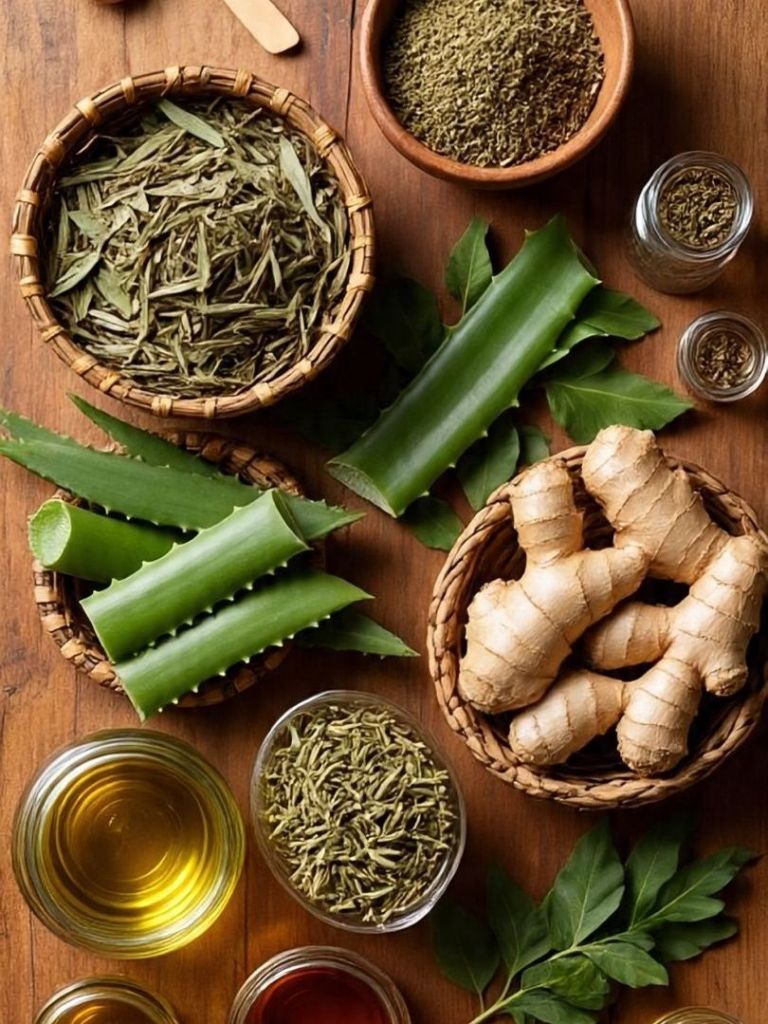
Learn how to use herbal remedies safely. Discover proper dosing, interactions, precautions, and best practices to maximize benefits while avoiding risks.
Introduction
Herbal medicine is powerful.
But “natural” does not automatically mean “safe.”
Just like conventional drugs, herbs can:
- Affect body systems
- Interact with medications
- Produce side effects if misused
The difference is that herbs work more gently—but they still require knowledge and respect.
If used correctly, herbal remedies can support healing, reduce inflammation, and restore balance.
If used incorrectly, they can create complications.
This guide will help you understand how to use herbal remedies safely and effectively.
Why Safety Matters in Herbal Medicine
Herbs contain active compounds that influence the body.
For example, turmeric contains Curcumin, which affects inflammation pathways.
These effects are beneficial—but they must be used appropriately.
Key Insight:
Herbs are not just food.
They are natural medicine.
1. Start With the Right Knowledge
Before using any herb, understand:
- What it does
- How it works
- Who should avoid it
Avoid:
- Blindly following trends
- Copying random online advice
Do Instead:
- Use trusted sources
- Learn the basics of the herb
2. Start With Small Doses
More is not always better.
Why:
The body needs time to adjust.
Safe Approach:
- Begin with a low dose
- Observe how your body reacts
- Increase gradually if needed
3. Understand Your Body
Each person responds differently to herbs.
Factors that influence response:
- Age
- Weight
- Health status
- Existing conditions
Example:
Someone with Hypertension may respond differently to certain herbs than someone without it.
4. Be Aware of Herb–Drug Interactions
One of the most important safety concerns is interaction with medications.
Example:
Herbs that thin the blood may interact with drugs like Aspirin.
Risks:
- Increased side effects
- Reduced effectiveness of medication
- Unexpected reactions
Rule:
If you are on medication, always consult a professional before using herbs.
5. Avoid Mixing Too Many Herbs
Combining multiple herbs without knowledge can:
- Overwhelm the body
- Cause unpredictable effects
Best Practice:
- Start with one or two herbs
- Understand their effects before combining
6. Choose High-Quality Herbs
Not all herbal products are equal.
Look For:
- Organic or naturally grown
- Properly processed
- Free from contaminants
Avoid:
- Cheap, unknown sources
- Poorly labeled products
7. Use the Correct Form
Herbs come in different forms:
- Teas
- Capsules
- Powders
- Tinctures
Why It Matters:
Different forms affect:
- Absorption
- Strength
- Effectiveness
Example:
Teas are gentle.
Tinctures are more concentrated.
8. Pay Attention to Timing
When you take herbs matters.
General Guide:
- Some are best taken with food
- Others on an empty stomach
- Some are better at night (e.g., calming herbs)
9. Watch for Side Effects
Even natural substances can cause reactions.
Possible Signs:
- Nausea
- Headaches
- Allergic reactions
- Digestive discomfort
What to Do:
- Stop use immediately
- Seek guidance if symptoms persist
10. Special Populations Need Extra Care
Certain groups must be especially cautious:
Pregnant or Breastfeeding Women:
Some herbs may not be safe.
Children:
Require lower doses and specific herbs.
People With Chronic Conditions:
Such as Arthritis or Heart Disease.
Always seek professional advice.
11. Use Herbs as Part of a Lifestyle
Herbs are not magic solutions.
They work best when combined with:
- Healthy diet
- Regular movement
- Stress management
- Good sleep
12. Avoid Long-Term Overuse
Even beneficial herbs should not always be used continuously.
Why:
The body can adapt or become imbalanced.
Best Practice:
- Use in cycles
- Take breaks when needed
13. Respect the Power of Nature
Herbal medicine works because it is biologically active.
This means:
- It can heal
- But it must be used wisely
Common Mistakes to Avoid
1. Assuming Natural = Safe
Not always true.
2. Using High Doses Too Quickly
Can cause side effects.
3. Ignoring Interactions
Especially with medications.
4. Expecting Instant Results
Herbs often work gradually.
The Bigger Truth About Safety
Safety is not about avoiding herbs.
It is about:
- Using them correctly
- Understanding your body
- Being consistent and mindful
Herbal medicine is most powerful when it is intentional.
Final Thoughts
Herbal remedies offer a natural path to healing—but they require awareness and responsibility.
When used safely, they can:
- Reduce inflammation
- Support long-term health
- Enhance overall well-being
Start simple.
Stay informed.
Respect the process.
Call to Action
Want a safe and structured way to start your herbal healing journey?
Download our FREE 7-Day Natural Reset Guide and discover: ✔ Safe herbal routines
✔ Daily wellness practices
✔ Common mistakes to avoid
👉 Click here to begin: https://wa.me/254726530868
Type GUIDE to receive it instantly.
 Wordplant Living System