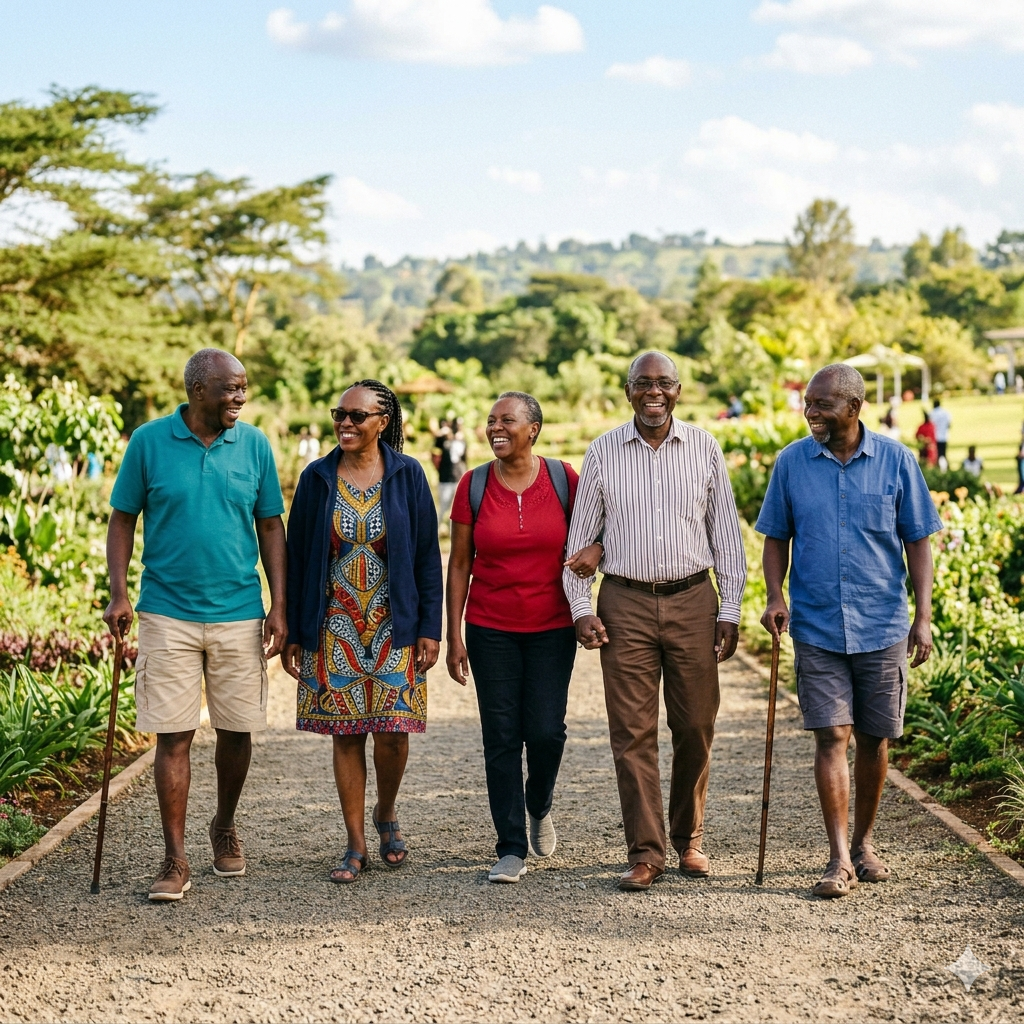
Aging does not automatically mean disease. Learn how lifestyle choices like nutrition, movement, sleep, stress reduction, and natural healing can prevent chronic illness and support healthy aging, vitality, and longevity.
Introduction
Growing older is one of life’s most natural processes. Every human being who is fortunate enough to live long enough will experience aging. Yet somewhere along the way, society began to quietly equate aging with decline, weakness, and inevitable illness.
This belief has become so widespread that many people accept chronic disease—such as high blood pressure, diabetes, arthritis, obesity, and fatigue—as unavoidable parts of getting older.
But this is not the full truth.
Aging itself is not a disease. It is a biological process. The real issue is that many of the conditions associated with aging are strongly influenced by long-term lifestyle patterns—not age alone.
This distinction is powerful. It means that while we cannot stop time, we can significantly influence how we age, how we feel, and how well our body functions over the years.
The Myth of “Inevitable Decline”
One of the most damaging beliefs about aging is that the body naturally “breaks down” beyond repair after a certain age. While it is true that biological processes change over time, decline is not automatic.
Many of the symptoms people associate with aging are actually symptoms of long-term stress on the body, including:
- Poor dietary habits over decades
- Sedentary lifestyle
- Chronic stress and emotional strain
- Sleep deprivation or poor sleep quality
- Environmental toxin exposure
- Lack of preventive health care
These factors accumulate quietly over time. By the time symptoms appear in later years, they are often mistaken as “normal aging,” when in fact they are signals of imbalance.
This misunderstanding can discourage people from taking action. If decline feels inevitable, why try to change?
But the truth is more empowering: the body is constantly adapting, repairing, and responding to how we treat it.
Chronic Disease Is Not an Age Requirement
Conditions such as:
- High blood pressure
- Type 2 diabetes
- Obesity
- Arthritis
- Heart disease
- Chronic fatigue
are often labeled as “age-related diseases.” However, research and real-world experience consistently show that these conditions are heavily influenced by lifestyle.
This means they are not guaranteed consequences of aging.
Instead, they are often the result of long-term inflammation, metabolic imbalance, and lifestyle stressors that build up over time.
The key point is this:
Age may increase risk, but lifestyle determines outcome.
Two people of the same age can have completely different health profiles depending on how they live their daily lives.
The Body’s Remarkable Ability to Heal and Adapt
One of the most encouraging truths about the human body is its resilience. Even later in life, the body continues to respond to positive change.
When given the right conditions, the body can:
- Reduce inflammation
- Improve blood pressure regulation
- Balance blood sugar levels
- Support joint flexibility and mobility
- Improve energy levels
- Enhance mental clarity
This adaptability does not disappear with age. It simply requires more intentional support.
The body is not designed for decline—it is designed for adaptation.
The Five Pillars of Healthy Aging
Healthy aging is not about perfection. It is about consistent, supportive habits that allow the body to function optimally over time.
Let’s explore the five most important pillars.
1. Nutrition: Food as Daily Medicine
What we eat every day is one of the most powerful influences on aging.
A diet high in processed foods, refined sugar, unhealthy fats, and artificial additives can promote inflammation and accelerate chronic disease development.
On the other hand, a whole-food, nutrient-dense diet can:
- Reduce inflammation
- Support immune function
- Improve cardiovascular health
- Enhance brain function
- Support healthy weight management
Key principles of anti-inflammatory nutrition:
- Emphasize vegetables, fruits, legumes, and whole grains
- Include healthy fats like avocados, nuts, seeds, and olive oil
- Choose lean proteins and plant-based protein sources
- Reduce refined sugar and processed foods
- Stay hydrated with clean water and herbal teas
Food is not just fuel—it is information for the body. Every meal either supports healing or contributes to imbalance.
2. Movement: The Medicine of Motion
The human body is designed to move. When movement decreases, decline accelerates—not because of age, but because of inactivity.
Regular physical activity helps:
- Maintain muscle strength
- Improve joint flexibility
- Support circulation
- Enhance metabolism
- Reduce inflammation
- Improve mood and mental health
Movement does not need to be intense to be effective. Consistency matters more than intensity.
Simple forms of movement include:
- Walking daily
- Stretching routines
- Light strength training
- Yoga or mobility exercises
- Gardening or active household tasks
Even 20–30 minutes of daily movement can significantly change long-term health outcomes.
3. Stress Reduction: Calming the Aging Process
Chronic stress is one of the most overlooked drivers of premature aging.
When stress becomes constant, the body remains in a prolonged state of alert. This affects:
- Hormone balance
- Blood pressure
- Blood sugar regulation
- Sleep quality
- Immune function
Over time, chronic stress can accelerate inflammation and contribute to many age-related conditions.
Effective stress reduction practices include:
- Deep breathing exercises
- Meditation or prayer
- Spending time in nature
- Journaling and emotional release
- Social connection and support
- Limiting overstimulation from digital devices
A calm nervous system supports healing. A stressed nervous system accelerates wear and tear.
4. Sleep: The Body’s Natural Repair System
Sleep is not just rest—it is repair time.
During deep sleep, the body:
- Repairs tissues and cells
- Regulates hormones
- Processes memory and cognition
- Reduces inflammation
- Strengthens immunity
Poor sleep quality is strongly linked to:
- Weight gain
- High blood pressure
- Diabetes risk
- Cognitive decline
- Low energy levels
Improving sleep is one of the fastest ways to improve overall health at any age.
Healthy sleep habits:
- Maintain a consistent sleep schedule
- Reduce screen exposure before bed
- Avoid heavy meals late at night
- Create a calm, dark sleeping environment
- Use relaxing nighttime routines
Sleep is not optional—it is essential for healthy aging.
5. Natural Healing Practices: Supporting the Body Holistically
Natural and traditional healing practices can play a supportive role in overall wellness when used safely and appropriately.
These approaches may include:
- Herbal teas and plant-based remedies
- Traditional dietary practices
- Gentle detoxification routines
- Massage and bodywork
- Mind-body practices like meditation and breathwork
The goal is not to replace medical care but to support the body’s natural balance and resilience.
Holistic health recognizes that the body works as an interconnected system. When one area improves, others often follow.
Rethinking Aging: From Decline to Vitality
The way we think about aging shapes how we experience it.
If aging is seen as decline, people often become passive, accepting discomfort as inevitable.
But if aging is seen as a process influenced by daily choices, it becomes an opportunity for empowerment.
Healthy aging is not about trying to look 20 again. It is about:
- Maintaining independence
- Preserving strength and mobility
- Supporting mental clarity
- Reducing disease risk
- Enjoying life with energy and purpose
Aging well is not about fighting time. It is about working with the body instead of against it.
Small Daily Choices Create Long-Term Health
One of the most important truths in health is this:
Your future health is shaped by your daily habits, not sudden changes.
Small, consistent actions compound over time. For example:
- Choosing water instead of sugary drinks
- Walking instead of prolonged sitting
- Adding vegetables to each meal
- Prioritizing sleep
- Taking short breaks to reduce stress
These choices may seem small in the moment, but over months and years, they significantly influence how the body ages.
Final Thoughts: Aging Is Inevitable, Disease Is Not
Aging is a natural journey that cannot be avoided. But chronic illness does not have to be a guaranteed part of that journey.
The difference lies in lifestyle.
By supporting the body through:
- Nutritious food
- Regular movement
- Stress management
- Quality sleep
- Natural healing practices
we create conditions where the body can thrive—not just survive.
Aging can be a period of wisdom, strength, and vitality. It does not have to be defined by decline.
Your health is not fixed. It is shaped daily.
So the question is not whether we are aging—but how we are choosing to age.
What lifestyle change has made the biggest difference in your health so far? Share below.
 Wordplant Living System