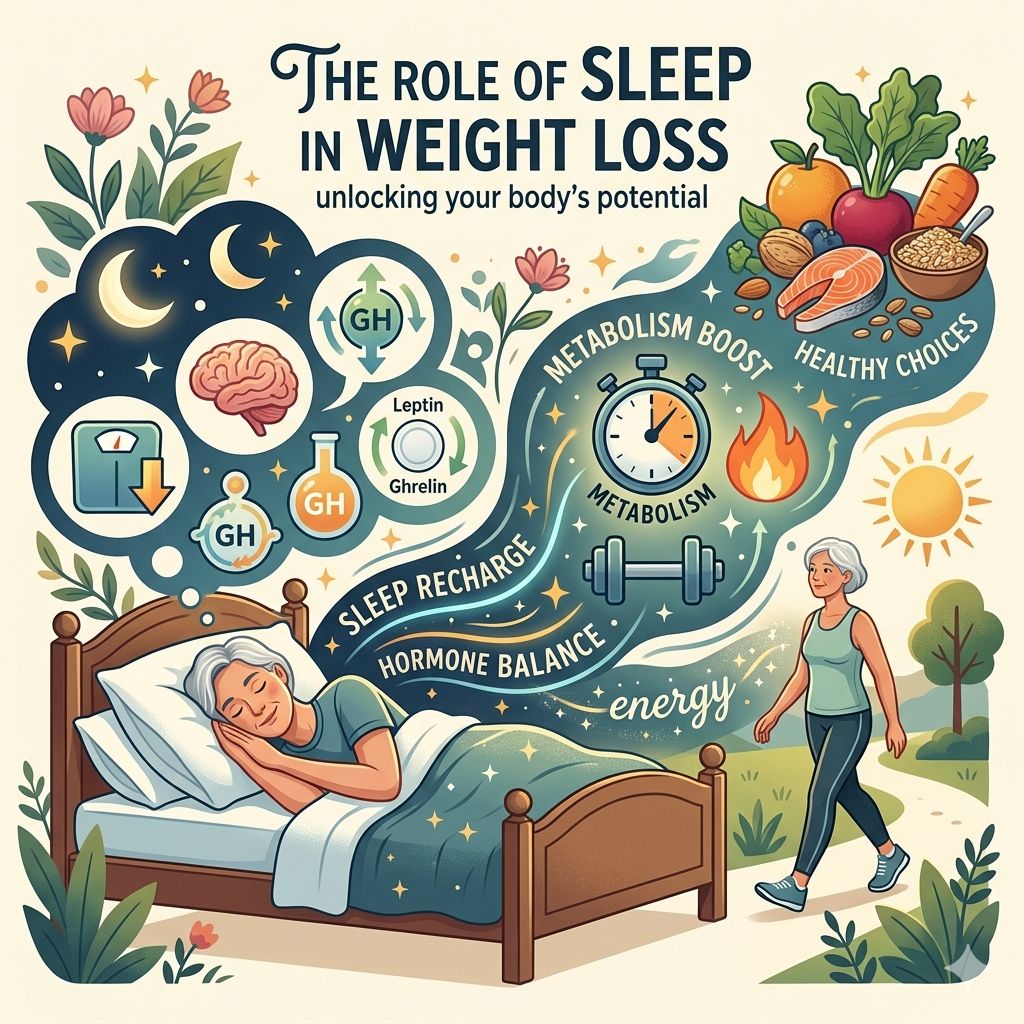
Discover the important role of sleep in weight loss. Learn how quality sleep affects metabolism, hunger hormones, cravings, fat storage, and overall health naturally.
Introduction
When most people think about weight loss, they focus on diet and exercise. While nutrition and physical activity are essential, one powerful factor is often overlooked: sleep.
Quality sleep is not simply a time of rest—it is a critical period when the body repairs, restores, and regulates important hormones connected to metabolism, appetite, and fat storage. Poor sleep can quietly sabotage weight loss efforts, increase cravings, and disrupt overall health.
Understanding the connection between sleep and body weight can help you create healthier habits that support long-term wellness naturally.
Why Sleep Matters for Weight Loss
Sleep affects nearly every system in the body, including:
- Metabolism
- Hormone balance
- Appetite regulation
- Energy levels
- Stress response
- Muscle recovery
When sleep is consistently poor, the body may struggle to burn calories efficiently and maintain a healthy weight.
Sleep and Hunger Hormones
Two major hormones that control hunger are strongly influenced by sleep:
Ghrelin
Ghrelin is known as the “hunger hormone.” It signals the brain when you are hungry.
Leptin
Leptin helps signal fullness and satisfaction after eating.
What happens with poor sleep?
Lack of sleep may:
- Increase ghrelin levels
- Reduce leptin levels
- Increase appetite
- Trigger overeating
This hormonal imbalance often leads to stronger cravings, especially for sugary and high-calorie foods.
Poor Sleep May Increase Cravings
Sleep deprivation affects the brain’s reward centers, making unhealthy foods more tempting.
Common cravings linked to poor sleep:
- Sugary snacks
- Fast food
- Refined carbohydrates
- Late-night eating
When tired, the body often seeks quick energy sources, leading to unhealthy eating patterns.
Sleep and Metabolism
Sleep plays an important role in metabolic function. During sleep, the body regulates blood sugar, repairs tissues, and balances hormones involved in energy use.
Poor sleep may:
- Slow metabolism
- Reduce insulin sensitivity
- Increase fat storage
- Lower energy levels
Over time, this may contribute to weight gain and difficulty losing excess body fat.
Lack of Sleep Can Reduce Physical Activity
When you are tired, motivation and energy levels naturally decline.
Possible effects:
- Reduced exercise performance
- Increased fatigue
- Less movement throughout the day
- Slower recovery after workouts
Adequate sleep supports both physical performance and consistency with healthy routines.
Sleep Supports Muscle Recovery
Muscle tissue repairs and grows during deep sleep. This is especially important for people engaging in exercise or strength training.
Benefits of proper recovery:
- Better muscle function
- Improved stamina
- Healthier metabolism
- Greater calorie-burning potential
Healthy muscle mass also supports long-term weight management.
Stress, Cortisol, and Weight Gain
Poor sleep increases stress hormones such as cortisol.
High cortisol levels may contribute to:
- Increased appetite
- Belly fat storage
- Emotional eating
- Blood sugar imbalance
Chronic stress combined with sleep deprivation can create a cycle that makes weight management more difficult.
Healthy Sleep Habits That Support Weight Loss
Improving sleep quality can positively affect both physical and mental wellness.
1. Maintain a Consistent Sleep Schedule
Going to bed and waking up at the same time daily helps regulate the body’s internal clock.
2. Limit Screen Time Before Bed
Blue light from phones, televisions, and tablets may interfere with melatonin production.
Better evening habits:
- Read a book
- Practice relaxation exercises
- Reduce bright light exposure
3. Avoid Heavy Late-Night Meals
Eating large meals before bed may disrupt digestion and sleep quality.
Better choices:
- Eat lighter evening meals
- Finish eating 2–3 hours before bedtime
4. Create a Relaxing Sleep Environment
A calm environment supports deeper and more restful sleep.
Helpful tips:
- Keep the room cool and quiet
- Use comfortable bedding
- Reduce unnecessary noise
5. Reduce Caffeine Late in the Day
Excess caffeine, especially in the evening, may interfere with restful sleep.
Limit:
- Coffee late at night
- Energy drinks
- Excess stimulants
The Connection Between Sleep and Healthy Lifestyle Habits
People who sleep well are often more likely to:
- Make healthier food choices
- Exercise consistently
- Manage stress effectively
- Maintain stable energy levels
Sleep acts as a foundation that supports many other healthy habits.
How Much Sleep Do Adults Need?
Most adults generally benefit from:
- 7–9 hours of quality sleep per night
Individual needs may vary slightly depending on age, lifestyle, and health conditions.
Final Thoughts
Sleep is one of the most underrated tools for healthy weight management. Without enough rest, hormones become disrupted, cravings increase, energy levels drop, and the body may struggle to regulate metabolism effectively.
Improving sleep habits can naturally support weight loss, energy, mental clarity, and overall well-being. Combined with balanced nutrition and regular physical activity, quality sleep becomes a powerful part of a healthier lifestyle.
Your body does important healing work while you sleep. Giving it the rest it needs may be one of the smartest investments you can make for your long-term health and wellness.
 Wordplant Living System