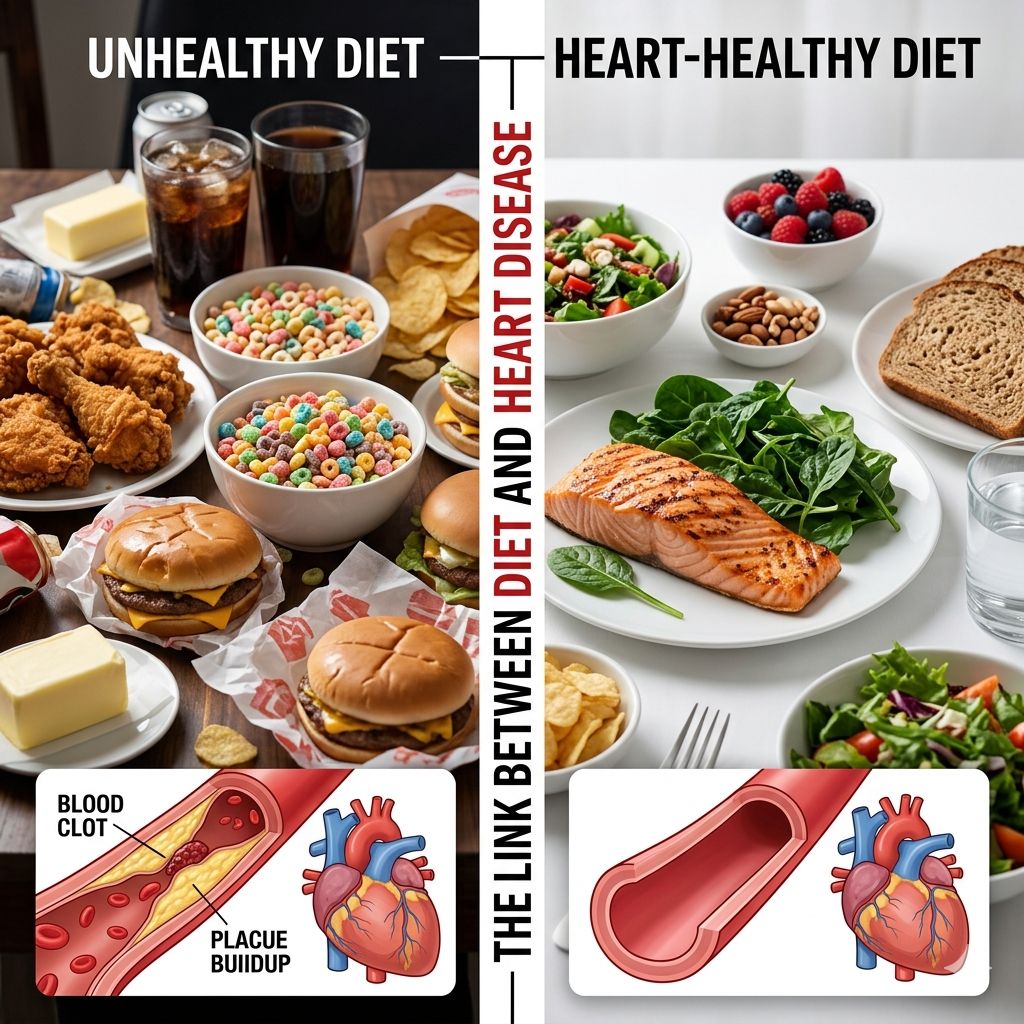
Discover the powerful link between diet and heart disease. Learn how everyday food choices can affect cholesterol, blood pressure, circulation, and overall heart health naturally.
Introduction
Heart disease remains one of the leading causes of death worldwide, yet many cases are closely connected to everyday lifestyle choices—especially diet. What you eat has a direct impact on your heart, blood vessels, cholesterol levels, blood pressure, and overall cardiovascular health.
The encouraging news is that healthy dietary habits can help protect the heart, improve circulation, and reduce the risk of chronic cardiovascular conditions. Understanding the connection between food and heart health is one of the most important steps toward long-term wellness.
Understanding Heart Disease
Heart disease is a broad term that includes several cardiovascular conditions affecting the heart and blood vessels. Common forms include:
- Coronary artery disease
- High blood pressure
- Heart failure
- Stroke
- Atherosclerosis (plaque buildup in arteries)
Many of these conditions develop gradually over time due to inflammation, poor circulation, high cholesterol, and unhealthy lifestyle habits.
How Diet Affects Heart Health
The body responds to the foods you consume every day. Some foods nourish and protect the cardiovascular system, while others contribute to inflammation, plaque buildup, and poor circulation.
A poor diet may increase the risk of:
- High cholesterol
- Obesity
- High blood pressure
- Type 2 diabetes
- Chronic inflammation
All of these are major risk factors for heart disease.
Foods That May Increase Heart Disease Risk
1. Highly Processed Foods
Processed foods often contain excessive salt, unhealthy fats, preservatives, and added sugars.
Examples include:
- Packaged snacks
- Fast foods
- Processed meats
- Instant meals
These foods may contribute to high blood pressure, inflammation, and weight gain.
2. Excess Sugar
Too much sugar can increase the risk of obesity, diabetes, and inflammation—all linked to cardiovascular disease.
Common hidden sugar sources:
- Soft drinks
- Sweetened cereals
- Desserts
- Commercial fruit juices
Excess sugar may also raise triglyceride levels, which negatively affect heart health.
3. Trans Fats and Unhealthy Oils
Artificial trans fats and heavily processed oils can raise bad cholesterol (LDL) while lowering good cholesterol (HDL).
Common sources:
- Fried foods
- Margarine
- Commercial baked goods
- Fast food items
These fats may contribute to plaque buildup inside arteries.
4. Excess Salt Intake
Too much sodium may increase blood pressure, placing extra strain on the heart and blood vessels.
High-sodium foods:
- Processed meats
- Canned soups
- Fast foods
- Salty snacks
Reducing sodium intake can support healthier blood pressure levels.
Heart-Healthy Foods That Support Cardiovascular Wellness
The good news is that many natural foods actively support heart health and circulation.
1. Fruits and Vegetables
These foods are rich in vitamins, minerals, antioxidants, and fiber.
Benefits:
- Help reduce inflammation
- Support healthy blood vessels
- Improve circulation
- Provide antioxidant protection
Colorful produce like berries, spinach, carrots, tomatoes, and oranges are especially beneficial.
2. Whole Grains
Whole grains contain fiber that may help reduce cholesterol levels.
Healthy choices:
- Oats
- Brown rice
- Whole wheat
- Millet
- Quinoa
Fiber also supports healthy digestion and weight management.
3. Healthy Fats
Not all fats are harmful. Healthy fats can actually support heart function.
Good sources:
- Avocados
- Nuts
- Seeds
- Olive oil
- Fatty fish
These foods contain beneficial fatty acids that support circulation and reduce inflammation.
4. Legumes and Plant Proteins
Beans, lentils, and peas are excellent heart-friendly protein sources.
Benefits:
- Low in unhealthy fats
- Rich in fiber
- Help maintain healthy cholesterol levels
Replacing some processed meats with plant proteins may improve cardiovascular health.
The Role of Fiber in Heart Health
Dietary fiber plays a major role in protecting the heart.
Fiber benefits:
- Helps lower LDL cholesterol
- Supports blood sugar balance
- Improves digestion
- Supports healthy weight management
Most people consume far less fiber than recommended, making this an important area for improvement.
Lifestyle Habits That Work Together with a Healthy Diet
A heart-friendly diet becomes even more powerful when combined with healthy lifestyle habits.
Key habits include:
- Regular physical activity
- Proper hydration
- Stress management
- Quality sleep
- Avoiding smoking
- Maintaining a healthy weight
Together, these habits support overall cardiovascular wellness.
Small Changes Can Create Big Results
Improving heart health does not require perfection overnight. Small, consistent dietary improvements can create meaningful long-term benefits.
Simple steps like:
- Eating more vegetables
- Reducing processed foods
- Drinking more water
- Limiting sugary beverages
- Cooking more meals at home
can significantly improve cardiovascular health over time.
Final Thoughts
The connection between diet and heart disease is powerful and undeniable. Every meal is an opportunity to either support or strain your cardiovascular system.
Choosing whole, natural, nutrient-rich foods can help protect your heart, improve circulation, and support long-term health. Combined with healthy lifestyle habits, proper nutrition becomes one of the strongest tools for preventing heart disease naturally.
Your heart works tirelessly every day—feeding it wisely is one of the greatest investments you can make in your future health.
 Wordplant Living System