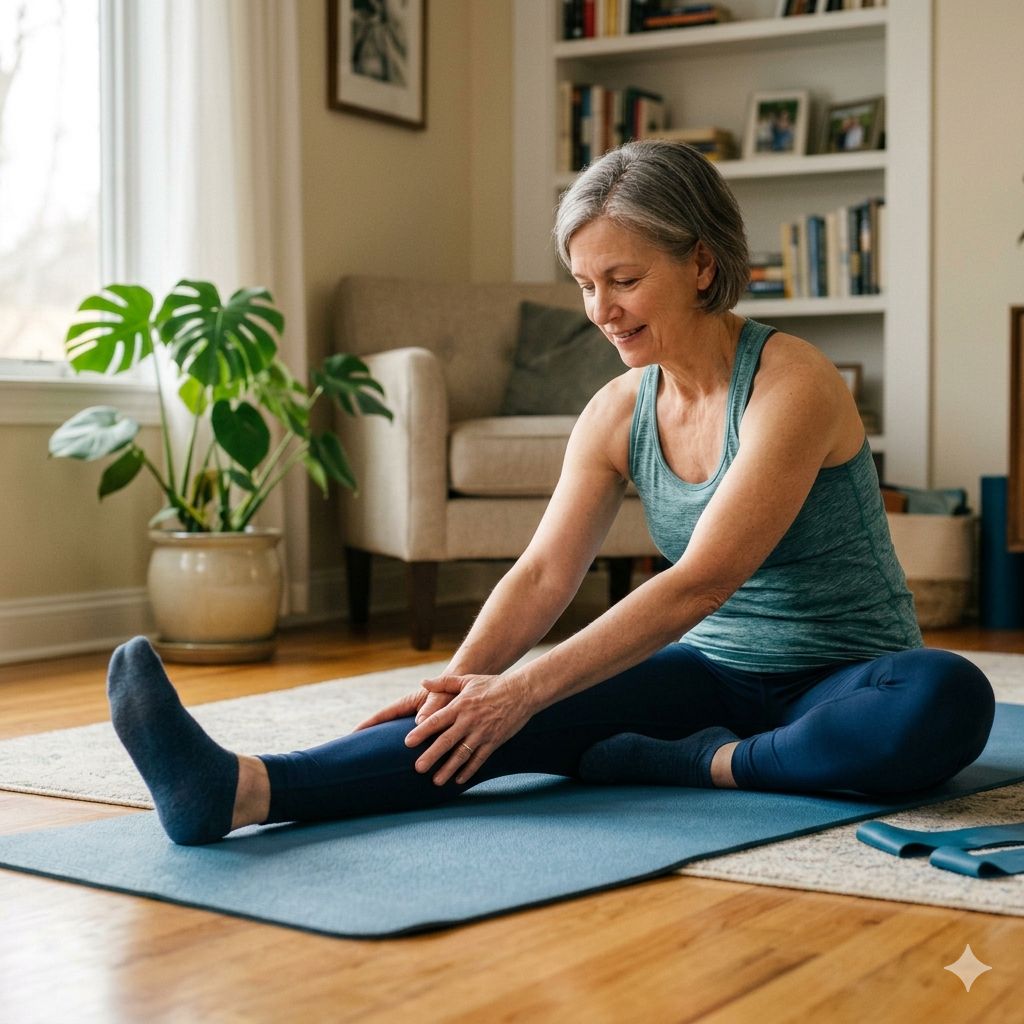
Discover simple exercises for joint health that improve flexibility, reduce stiffness, support mobility, and strengthen muscles naturally for healthier movement and better overall wellness.
Introduction
Healthy joints are essential for movement, flexibility, balance, and everyday activities. Whether walking, climbing stairs, lifting objects, or exercising, your joints work continuously to support your body. However, aging, inactivity, poor posture, excess weight, and inflammation can gradually lead to stiffness, discomfort, and reduced mobility.
The good news is that regular gentle exercise can help protect your joints naturally. Simple movements improve circulation, strengthen surrounding muscles, increase flexibility, and support long-term joint function.
Why Joint Health Matters
Joints connect bones and allow the body to move smoothly. Healthy joints depend on:
- Strong supporting muscles
- Good flexibility
- Proper circulation
- Healthy cartilage
- Balanced movement
Without regular movement, joints may become stiff and less mobile over time.
Benefits of Joint-Friendly Exercise
Gentle exercises can provide many important benefits:
Potential benefits include:
- Improved flexibility
- Reduced stiffness
- Better circulation
- Stronger muscles
- Improved balance and posture
- Better mobility and coordination
Regular movement also supports mental wellness and overall energy levels.
1. Walking
Walking is one of the easiest and most effective exercises for joint health.
Why walking helps:
- Improves circulation
- Strengthens leg muscles
- Supports knee and hip mobility
- Helps maintain healthy weight
Tips:
- Start with short walks
- Wear supportive shoes
- Walk on even surfaces
Even 20–30 minutes daily can support healthier joints.
2. Gentle Stretching
Stretching improves flexibility and reduces tightness around joints.
Helpful stretches:
- Hamstring stretches
- Shoulder rolls
- Neck stretches
- Calf stretches
- Hip stretches
Benefits:
- Improves range of motion
- Reduces stiffness
- Enhances mobility
Move slowly and avoid forcing painful movements.
3. Chair Exercises
Chair exercises are excellent for older adults or individuals with limited mobility.
Examples:
- Seated leg raises
- Arm circles
- Seated marches
- Ankle rotations
These exercises support circulation and muscle activation without placing excessive strain on joints.
4. Swimming and Water Exercises
Water supports the body while reducing pressure on joints.
Benefits of water exercises:
- Low-impact movement
- Reduced joint stress
- Improved flexibility
- Better muscle support
Swimming and water aerobics are especially helpful for people with arthritis or joint discomfort.
5. Yoga for Flexibility and Balance
Gentle yoga improves flexibility, posture, balance, and relaxation.
Potential benefits:
- Better joint mobility
- Reduced muscle tension
- Improved posture
- Stress reduction
Choose beginner-friendly or gentle yoga routines if you are new to yoga.
6. Strength Training
Strong muscles help support and protect joints.
Simple strengthening exercises:
- Wall push-ups
- Light resistance band exercises
- Bodyweight squats
- Leg lifts
Why strength matters:
Weak muscles place more strain on joints. Building muscle support may reduce joint stress during movement.
7. Ankle and Wrist Rotations
Small joint movements help maintain flexibility and circulation.
How to perform:
- Rotate wrists slowly in circles
- Rotate ankles clockwise and counterclockwise
These movements are simple but effective for maintaining joint mobility.
8. Cycling
Cycling is a low-impact exercise that supports joint movement without excessive pressure.
Benefits:
- Improves leg strength
- Supports knee mobility
- Enhances circulation
- Supports cardiovascular health
Stationary bikes can also be a safe indoor option.
9. Balance Exercises
Balance exercises help improve stability and reduce fall risk.
Simple balance movements:
- Standing on one foot
- Heel-to-toe walking
- Gentle side leg lifts
Improved balance supports safer movement and overall mobility.
10. Daily Movement Breaks
Long periods of sitting may increase stiffness and reduce circulation.
Helpful habit:
Stand up and move every 30–60 minutes.
Simple movement throughout the day helps keep joints active and flexible.
Important Tips for Safe Joint Exercise
Start Slowly
Begin with gentle movements and gradually increase intensity.
Listen to Your Body
Mild discomfort may occur, but sharp pain should not be ignored.
Warm Up Before Exercise
Gentle warm-ups prepare muscles and joints for movement.
Stay Consistent
Regular moderate exercise is more beneficial than occasional intense workouts.
Maintain Proper Posture
Good posture reduces unnecessary stress on joints.
Lifestyle Habits That Support Joint Health
Exercise works best when combined with healthy daily habits.
Helpful lifestyle practices:
- Maintain a healthy weight
- Eat anti-inflammatory foods
- Stay hydrated
- Sleep well
- Manage stress
Healthy habits support overall joint function and recovery.
When to Seek Medical Advice
Consult a healthcare professional if you experience:
- Severe joint pain
- Swelling
- Joint instability
- Sudden loss of mobility
- Persistent discomfort
Professional guidance can help determine the best exercise plan for your condition.
Final Thoughts
Simple exercises can play a major role in maintaining healthy joints, improving mobility, and reducing stiffness naturally. The key is consistency, gentle movement, and listening to your body.
You do not need extreme workouts to support your joints. Small daily activities like walking, stretching, swimming, and strength exercises can gradually improve flexibility, stability, and overall quality of life.
Healthy joints help keep you active, independent, and energized. Caring for them through regular movement is one of the best investments you can make for long-term wellness.
 Wordplant Living System