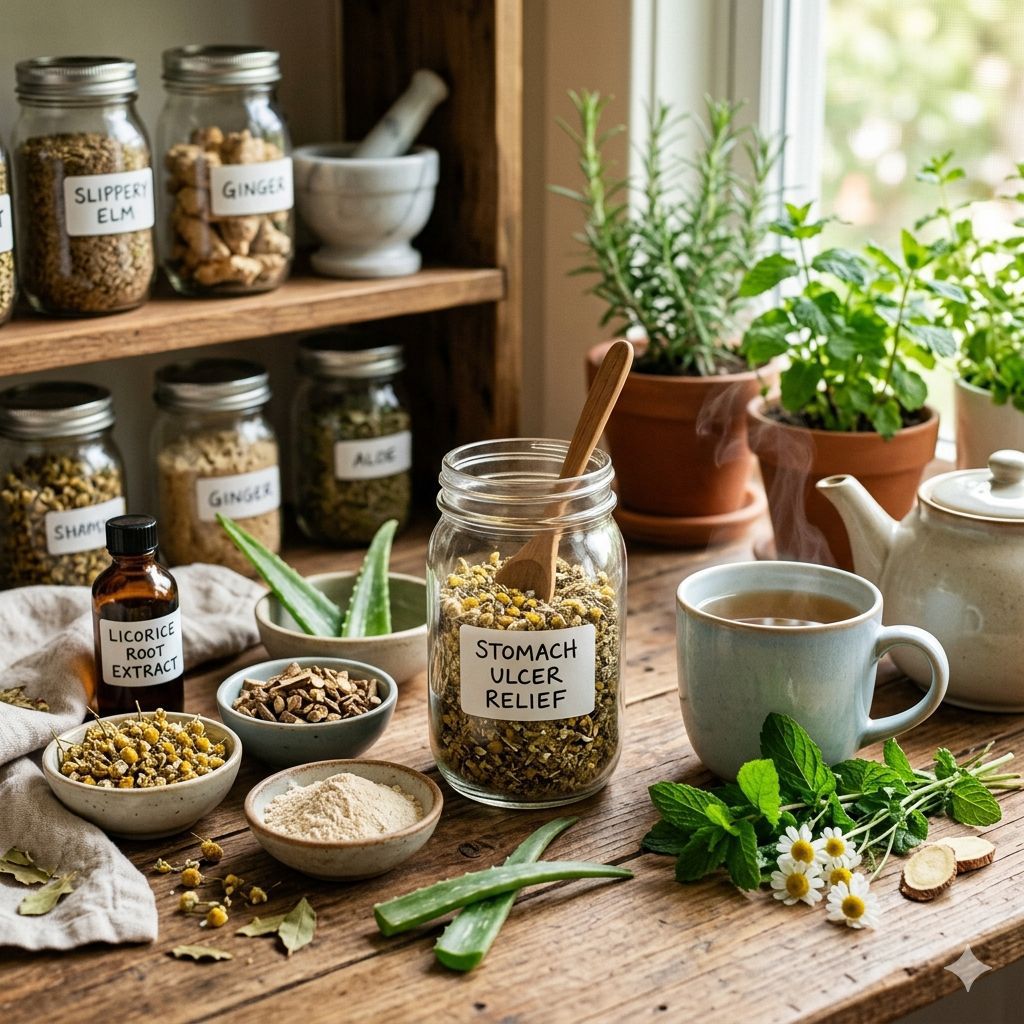
Discover herbal remedies that may help support stomach ulcer relief naturally. Learn about ginger, chamomile, licorice root, aloe vera, turmeric, and other herbs that may promote digestive comfort and support the healing process alongside appropriate medical care and a healthy lifestyle.
Natural Ways to Support Healing, Soothe the Digestive Tract, and Promote Better Gut Health
A stomach ulcer can turn everyday activities into painful experiences.
Simple pleasures like eating your favorite meal or enjoying a cup of tea may be interrupted by burning pain, bloating, nausea, or discomfort in the upper abdomen.
While proper medical diagnosis and treatment are essential, many people also look for natural ways to support their digestive health during recovery.
Among the most popular complementary approaches are herbal remedies. For generations, medicinal plants have been used in traditional healing systems to soothe the stomach, support digestion, and promote overall gastrointestinal wellness.
Although herbs are not a substitute for prescribed treatment—especially when ulcers are caused by Helicobacter pylori infection or long-term use of nonsteroidal anti-inflammatory drugs (NSAIDs)—some may help ease symptoms and support the body’s natural healing processes.
Let’s explore some herbal remedies that may provide gentle support for stomach ulcer relief.
Heal Naturally. Live Fully.
Discover strategies inside The Chronic Disease Reversal Bible by Alfred Okoko and learn how diet, herbs, lifestyle, and natural healing principles can help you reclaim your health naturally.
Get your copy today on [Selar](https://selar.com/86x2iy3794
Understanding Stomach Ulcers
A stomach ulcer, also called a gastric ulcer, is an open sore that develops in the lining of the stomach.
Common causes include:
- Helicobacter pylori bacterial infection
- Long-term use of NSAIDs such as ibuprofen or aspirin
- Smoking
- Excessive alcohol consumption
- Severe physiological stress
- Other medical conditions that affect the digestive tract
Common symptoms may include:
- Burning stomach pain
- Bloating
- Nausea
- Indigestion
- Feeling full quickly
- Loss of appetite
Because these symptoms can overlap with other digestive disorders, medical evaluation is important for an accurate diagnosis.
1. Ginger
Ginger has been used for centuries to support digestive health.
It contains natural compounds that may help:
- Soothe nausea
- Support healthy digestion
- Promote normal inflammatory responses
- Reduce stomach discomfort
Many people enjoy ginger as:
- Ginger tea
- Fresh ginger in meals
- Grated into soups or smoothies
For some individuals, excessive amounts may irritate the stomach, so moderation is recommended.
2. Chamomile
Chamomile is widely known for its calming properties.
It may help support:
- Relaxation
- Healthy digestion
- Reduction of digestive discomfort
- Better sleep during recovery
Warm chamomile tea is often used as a gentle evening beverage to promote overall digestive comfort.
3. Deglycyrrhizinated Licorice (DGL)
Licorice root has a long history of traditional use for digestive wellness.
A specially processed form called deglycyrrhizinated licorice (DGL) removes much of the compound that can raise blood pressure while retaining components believed to support the stomach lining.
DGL may help:
- Support the protective mucus layer of the stomach
- Promote tissue repair
- Ease irritation
Anyone considering licorice products should discuss them with a healthcare professional, especially if they have high blood pressure or take prescription medications.
4. Aloe Vera
Aloe vera is well known for its soothing properties.
Some traditional practices use aloe vera preparations to support digestive comfort.
Potential benefits may include:
- Soothing irritated tissues
- Supporting digestive wellness
- Promoting hydration
Only products specifically prepared for internal consumption should be used, as some aloe preparations are not intended for ingestion.
5. Turmeric
Turmeric contains curcumin, a natural compound studied for its antioxidant and inflammation-supporting properties.
As part of a balanced diet, turmeric may help:
- Support healthy inflammatory responses
- Promote digestive health
- Contribute to overall wellness
Turmeric can be incorporated into:
- Soups
- Stews
- Rice dishes
- Herbal teas
Smoking can interfere with the body’s ability to heal the stomach lining and may increase ulcer-related complications.
6. Marshmallow Root
Marshmallow root contains mucilage, a gel-like substance that may coat and soothe irritated tissues.
Traditionally, it has been used to support:
- Digestive comfort
- Mucosal protection
- Temporary relief from irritation
Its soothing texture may help provide comfort to sensitive digestive tissues.
7. Slippery Elm
Slippery elm is another herb rich in mucilage.
It may:
- Form a protective coating along the digestive tract
- Support tissue comfort
- Help soothe irritation
Many people consume it as a tea or powdered preparation mixed with water.
8. Fennel
Fennel seeds have long been used after meals to support digestion.
They may help:
- Reduce bloating
- Ease gas
- Promote digestive comfort
Fennel tea is a common traditional remedy for mild digestive complaints.
Lifestyle Habits That Support Ulcer Recovery
Herbal remedies work best when paired with healthy daily habits.
Eat Smaller, More Frequent Meals
Large meals may increase stomach discomfort.
Smaller portions spread throughout the day may be easier to tolerate.
Avoid Foods That Trigger Symptoms
Some people find relief by limiting:
- Highly spicy foods
- Excess alcohol
- Very fatty meals
- Highly processed foods
- Excess caffeine
Triggers vary from person to person.
Stay Hydrated
Adequate water intake supports digestion and overall body function.
Sip water consistently throughout the day rather than drinking very large amounts at once.
Manage Stress
Stress does not directly cause most stomach ulcers, but it may worsen symptoms and make recovery more challenging.
Helpful stress-management strategies include:
- Deep breathing exercises
- Meditation or prayer
- Gentle walking
- Yoga
- Spending time in nature
Avoid Smoking
Quitting smoking supports both digestive and overall health.
When to Seek Immediate Medical Care
Seek prompt medical attention if you experience:
- Vomiting blood
- Black or tarry stools
- Severe or sudden abdominal pain
- Persistent vomiting
- Unexplained weight loss
- Difficulty swallowing
These symptoms may indicate serious complications that require urgent evaluation.
Can Herbal Remedies Replace Medical Treatment?
No.
If an ulcer is caused by H. pylori, antibiotics prescribed by a healthcare professional are often necessary.
If it is related to NSAID use, medication adjustments and acid-suppressing therapy may be required.
Herbal remedies should be viewed as supportive measures rather than replacements for evidence-based medical care.
Final Reflection: Healing the Stomach Requires Patience and Consistency
Your digestive system works tirelessly every day, often without you even noticing.
When an ulcer develops, it is a reminder that the stomach needs care, protection, and time to recover.
Herbal remedies such as ginger, chamomile, licorice root, aloe vera, turmeric, marshmallow root, and slippery elm may offer gentle support as part of a comprehensive healing plan.
Combined with nutritious eating, stress management, adequate hydration, and appropriate medical treatment, these natural approaches may help create an environment that supports recovery.
Healing is rarely instant.
But with consistent care and informed choices, your body has an incredible ability to repair and restore itself over time.
 Wordplant Living System