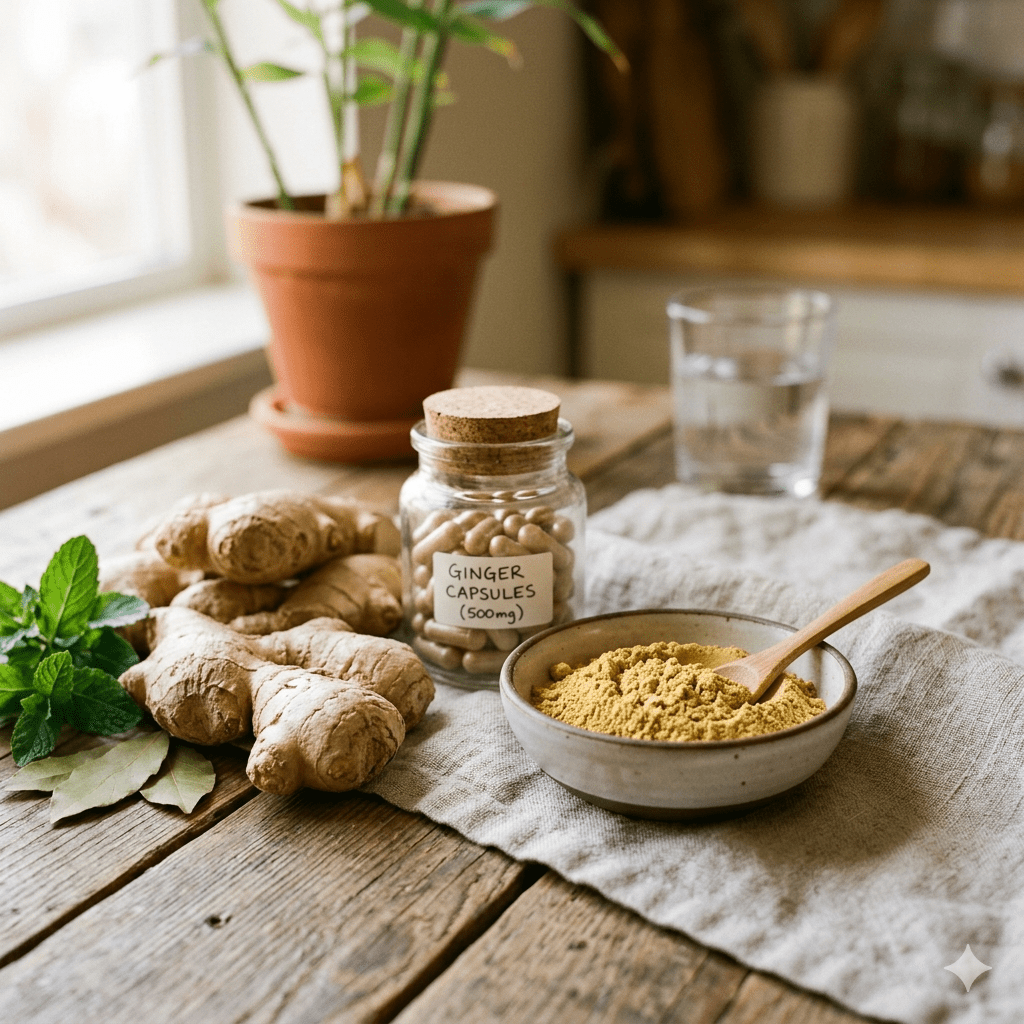
Discover the potential benefits of ginger tea for arthritis pain and joint health. Learn how this natural herbal drink may support healthy inflammatory responses, improve circulation, ease stiffness, and promote overall wellness as part of a balanced lifestyle.
A Warm Cup of Nature’s Goodness for Healthier Joints and Better Mobility
For centuries, ginger has been valued as more than just a flavorful kitchen spice. Across cultures and generations, it has been used as a natural remedy to support digestion, boost immunity, and promote overall wellbeing.
Today, many people living with arthritis are rediscovering ginger—particularly in the form of ginger tea—as a gentle, natural way to support joint health and improve daily comfort.
Imagine starting your morning with a warm, soothing cup that not only comforts your senses but may also help support your body’s natural response to inflammation and stiffness.
While ginger tea is not a cure for arthritis, research suggests it contains bioactive compounds that may contribute to healthier joints when combined with good nutrition, regular movement, quality sleep, and appropriate medical care.
Let’s take a closer look at why ginger tea has earned its reputation as one of nature’s most respected wellness beverages.
Buy Freedom From Arthritis Naturally by Alfred Okoko on Selar https://share.google/cxs13xQAg5NRtPKOP
What Is Ginger?
Ginger comes from the underground stem, or rhizome, of the Zingiber officinale plant.
It has been used for thousands of years in traditional medicine systems around the world for a variety of purposes, including:
- Supporting digestion
- Easing nausea
- Promoting circulation
- Supporting immune health
- Helping the body maintain healthy inflammatory responses
The distinctive flavor and aroma of ginger come from naturally occurring compounds such as gingerols and shogaols, which have attracted scientific interest for their potential health-supporting properties.
Understanding Arthritis and Chronic Inflammation
Arthritis affects millions of people worldwide and can make even simple daily activities feel challenging.
Symptoms often include:
- Joint pain
- Stiffness
- Swelling
- Reduced mobility
- Difficulty performing routine tasks
Although there are different types of arthritis, many involve chronic inflammation that contributes to discomfort and reduced joint function.
Supporting the body’s natural inflammatory balance has become an important focus of many holistic health approaches.
This is where ginger may offer valuable support.
Heal Naturally. Live Fully.
Discover strategies inside The Chronic Disease Reversal Bible by Alfred Okoko and learn how diet, herbs, lifestyle, and natural healing principles can help you reclaim your health naturally.
Get your copy today on [Selar](https://selar.com/86x2iy3794
How Ginger May Support Healthy Inflammatory Responses
One of ginger’s most studied qualities is its potential role in supporting healthy inflammatory processes.
The natural compounds found in ginger may help influence pathways involved in the body’s normal inflammatory response.
Rather than simply covering up symptoms, ginger may help support the body’s own efforts to maintain balance.
This makes it an attractive option for individuals seeking natural ways to complement an overall joint health strategy.
Ginger Tea May Help Ease Morning Stiffness
For many people with arthritis, mornings are the most difficult part of the day.
Getting out of bed may feel painful.
Hands may feel rigid.
Knees may seem reluctant to bend.
A warm cup of ginger tea can provide comforting warmth while also introducing beneficial plant compounds into the body.
Combined with gentle stretching and movement, this daily ritual may help support improved mobility and flexibility.
Improved Circulation Supports Healthier Joints
Healthy joints depend on good blood flow.
Circulation delivers:
- Oxygen
- Nutrients
- Hormones
- Repair compounds
to tissues throughout the body.
Ginger has traditionally been associated with promoting healthy circulation.
Better blood flow helps nourish tissues and supports the body’s natural maintenance and repair processes.
Ginger’s Antioxidant Properties
Every day, the body encounters oxidative stress caused by normal metabolism and environmental factors.
Oxidative stress occurs when harmful free radicals outnumber the body’s antioxidant defenses.
Over time, this imbalance may contribute to tissue damage, including in joints.
Ginger contains antioxidant compounds that may help protect cells from oxidative stress and support overall health.
Reducing oxidative stress complements efforts to maintain healthy joints.
The Comfort of Warm Herbal Tea
Sometimes healing is not only about nutrients but also about habits.
Preparing and slowly drinking a cup of ginger tea encourages:
- Relaxation
- Mindfulness
- Hydration
- Stress reduction
Since chronic stress can influence inflammation and pain perception, this calming ritual may provide additional indirect benefits for people living with arthritis.
Ginger May Support Digestive Health Too
Many people with arthritis also experience digestive challenges.
Fortunately, ginger has long been recognized for supporting digestive comfort.
It may help:
- Ease occasional nausea
- Support healthy digestion
- Promote stomach comfort
A healthy digestive system is essential because it helps the body absorb the nutrients needed for tissue repair and overall wellness.
A Natural Addition to an Anti-Inflammatory Lifestyle
Ginger tea works best when combined with other healthy habits.
For example:
Eat More Whole Foods
Choose:
- Vegetables
- Fruits
- Whole grains
- Lean proteins
- Healthy fats
These foods provide nutrients that support overall health.
Stay Physically Active
Gentle movement helps:
- Lubricate joints
- Maintain flexibility
- Improve circulation
Prioritize Quality Sleep
The body performs much of its repair work during sleep.
Better rest often supports better recovery.
Manage Stress
Practices such as:
- Prayer
- Meditation
- Deep breathing
- Journaling
can support emotional and physical wellbeing.
How to Make Ginger Tea at Home
Making fresh ginger tea is simple.
Ingredients
- One small piece of fresh ginger root
- Two cups of water
Instructions
- Wash and slice the ginger.
- Bring the water to a boil.
- Add the ginger slices.
- Simmer for 10 to 15 minutes.
- Strain into a cup.
Some people enjoy adding a squeeze of lemon or a small amount of honey for flavor, depending on their dietary needs and preferences.
Who Should Be Cautious With Ginger?
Although ginger is generally well tolerated in culinary amounts, it may not be appropriate for everyone.
Speak with a healthcare professional before using large amounts of ginger or ginger supplements if you:
- Take blood-thinning medications
- Have gallbladder disease
- Are pregnant
- Have specific medical conditions
Personalized advice is always best.
Listening to Your Body
Every person responds differently to dietary changes.
Some people notice improvements in comfort and mobility after regularly including ginger tea in their routine, while others experience more subtle benefits.
Observe:
- Energy levels
- Joint comfort
- Morning stiffness
- Digestion
- Overall wellbeing
Your body often provides valuable clues about what supports your health.
Final Reflection: A Simple Cup With Lasting Potential
Ginger tea may seem like an ordinary beverage, but its long history of traditional use and growing scientific interest suggest it can play a meaningful role in a healthy lifestyle.
Its natural compounds may help support healthy inflammatory responses, circulation, antioxidant protection, and overall wellbeing.
Most importantly, ginger tea reminds us that healing is often built through simple, consistent daily choices rather than dramatic interventions.
When combined with balanced nutrition, regular movement, restorative sleep, and thoughtful self-care, this warming herbal drink can become part of a sustainable approach to supporting joint health naturally.
Sometimes the journey toward better mobility begins with something as simple as putting the kettle on.
- How Exercise Improves Blood Flow and Function|Wordplant Living SystemDiscover how exercise improves blood flow and body function naturally. Learn how regular physical activity supports healthy circulation, heart health, energy levels, brain function, erectile function, and overall wellbeing through simple daily movement. Why Regular Movement Is One of the Most Powerful Natural Ways to Support Circulation and Overall Health When people think about exercise,… Read more: How Exercise Improves Blood Flow and Function|Wordplant Living System
- How Stress Causes Peptic Ulcers|Wordplant Living SystemThe Hidden Connection Between Chronic Stress, Digestive Health, and Stomach Ulcers Have you ever noticed that your stomach seems to react when life becomes overwhelming? Perhaps you experience a burning sensation after a stressful day. Maybe your appetite changes during difficult periods. Or perhaps persistent digestive discomfort appears when you’re carrying emotional burdens that seem… Read more: How Stress Causes Peptic Ulcers|Wordplant Living System
- Home Remedies for Improving Libido|Wordplant Living SystemDiscover home remedies for improving libido naturally through diet, lifestyle changes, herbs, sleep, and stress management. Learn how to support sexual desire, energy, hormone balance, and overall vitality using simple, natural approaches. Restoring Desire, Energy, and Intimacy Through Natural Daily Habits Low libido is more common than many people realize, and it can affect both… Read more: Home Remedies for Improving Libido|Wordplant Living System
- Ginger Tea Benefits for Arthritis Pain|Wordplant Living SystemDiscover the potential benefits of ginger tea for arthritis pain and joint health. Learn how this natural herbal drink may support healthy inflammatory responses, improve circulation, ease stiffness, and promote overall wellness as part of a balanced lifestyle. A Warm Cup of Nature’s Goodness for Healthier Joints and Better Mobility For centuries, ginger has been… Read more: Ginger Tea Benefits for Arthritis Pain|Wordplant Living System
- How Turmeric Supports Joint Health Naturally|Wordplant Living SystemLearn how turmeric supports joint health naturally. Discover the potential benefits of curcumin for healthy inflammatory responses, mobility, antioxidant protection, and overall wellness, plus practical ways to include turmeric in your daily diet. Discover the Golden Spice That Has Helped Generations Promote Mobility, Ease Stiffness, and Support Healthy Inflammatory Responses If you’ve ever searched for… Read more: How Turmeric Supports Joint Health Naturally|Wordplant Living System
 Wordplant Living System